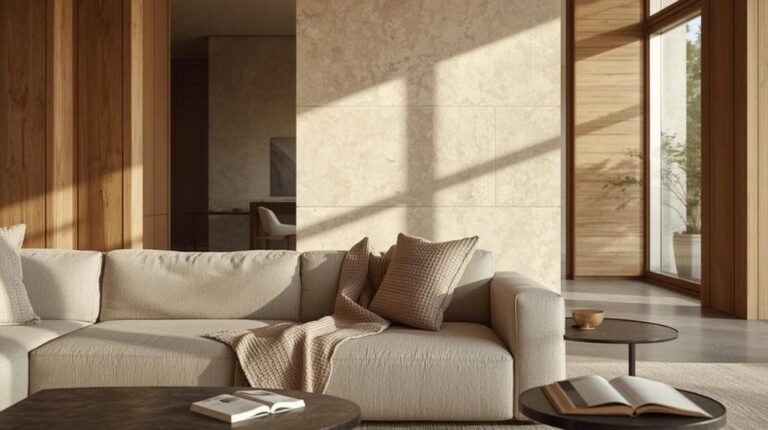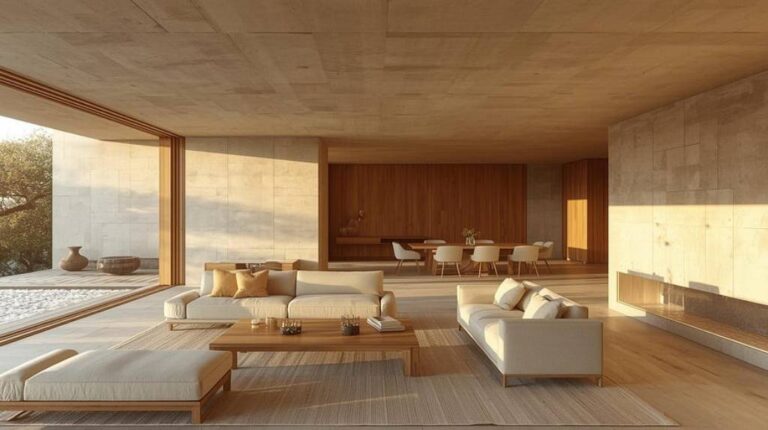
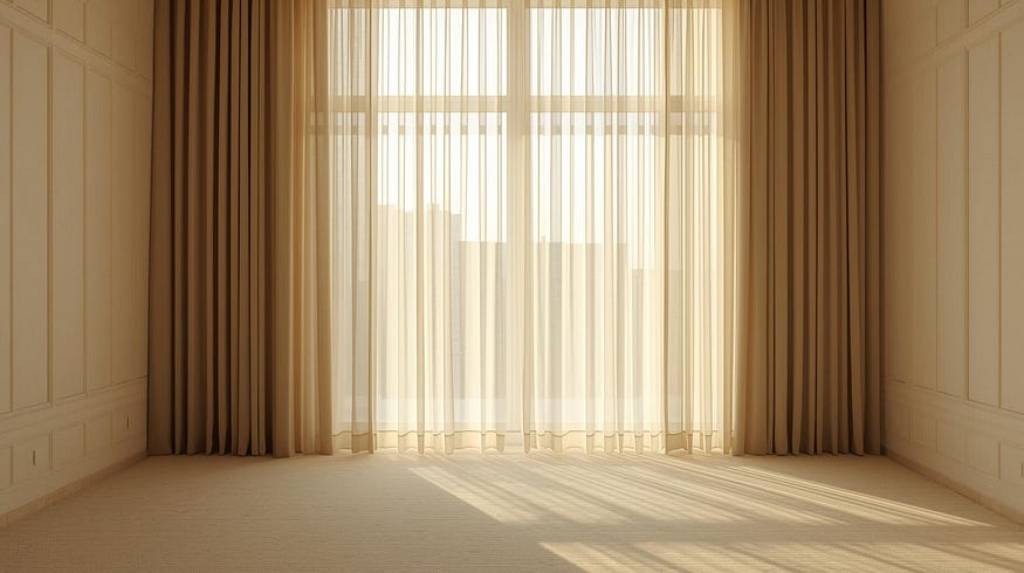
There was a time when silence was ordinary. It existed without effort, woven naturally into daily life, present in the spaces between conversations, in afternoons that moved slowly, in homes where the loudest sound was a ceiling fan turning above you. Silence was not something you sought or scheduled. It was simply there, like light entering a room.
Now, silence feels almost rare. Not because the world has become unbearable, but because it has become constant. There is always something playing, something updating, something demanding attention. Even our homes, once meant to hold us gently, have become extensions of the outside noise. Screens glow in every corner, voices follow us from room to room, and even stillness is often filled with something else. In this modern rhythm, silence has quietly become one of the most underrated luxuries of all.
The kind of luxury no one photographs. The kind that cannot be purchased. The kind you only recognise when you finally return to it.
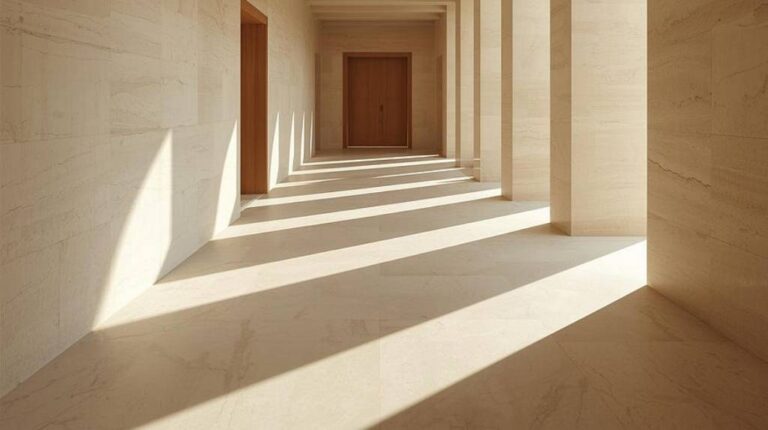
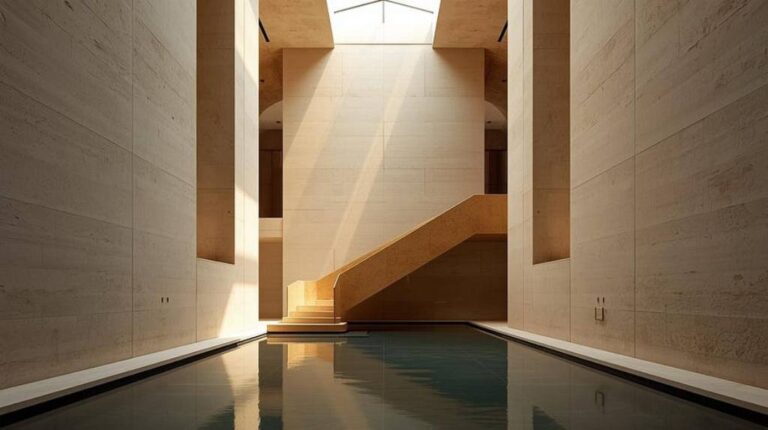
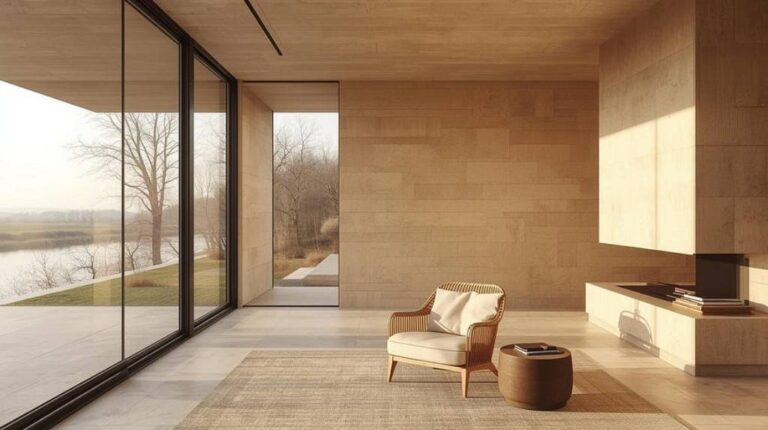
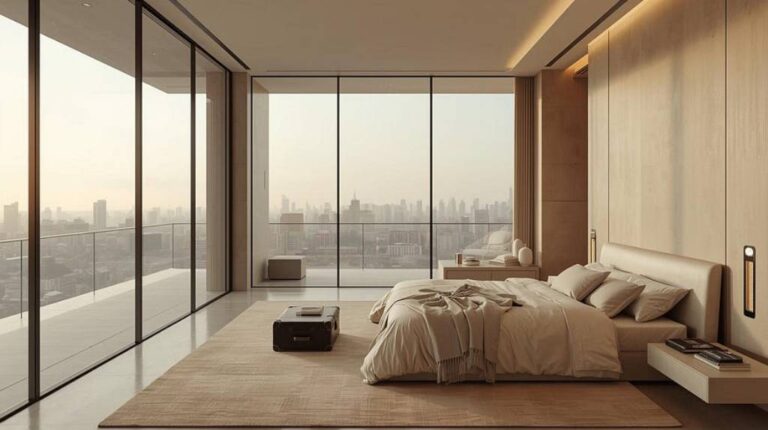
In a truly calm home, silence is not emptiness. It is presence. It is the feeling of walking into a room and sensing that nothing is asking for you. No television hums in the background. No notifications puncture the air. The house is simply still, and in that stillness, you begin to hear yourself again. The soft sound of your own footsteps. The rustle of fabric as you sit down. The small exhale you didn’t realise you were holding. Silence makes a home feel larger than its walls, not because of scale, but because of space.
Luxury is often mistaken for abundance. More rooms, more objects, more polish, more visible markers of refinement. But silence is a different kind of richness. It does not announce itself. It does not perform. It does not overwhelm. Silence is subtle, almost invisible, and yet it changes everything about the way a home feels. It turns the atmosphere softer. It makes ordinary moments feel more complete. It allows the house to become what it was always meant to be: a refuge, not a display.
There is something deeply emotional about a home that is not always speaking. In many modern lives, noise has become a form of company. We play music while cooking, podcasts while cleaning, videos while eating, voices while falling asleep. Silence feels unfamiliar, almost too honest. It leaves room for thoughts to arrive uninvited, for emotions to surface without distraction. And perhaps that is why so many people avoid it. Silence can feel like a mirror.
But in homes where silence is allowed, something soft returns. The house becomes less like a backdrop and more like a sanctuary. You stop rushing to fill the space, and you begin to live inside it.
Mornings in a quiet home have a particular texture. Silence arrives with light, before the world does. The kitchen is calm. A cup warms your hands. Curtains shift slightly with the breeze. The day begins without urgency. There is no spectacle here, no performance of productivity, just the gentle unfolding of routine. And somehow, that stillness feels more luxurious than any grand gesture, because it gives you time back. It gives you yourself back.
Silence also changes the way routine feels. Simple acts become slower, fuller. Watering plants no longer feels like a task but like a small ritual. Folding linen becomes something almost meditative. Opening windows becomes an invitation rather than a habit. In silence, the smallest movements carry more meaning, because they are no longer rushed past. A quiet home teaches you that not everything needs to be productive to be valuable. Some things only need to be felt.
Evenings, too, shift when silence is present. The house dims gently. Shadows lengthen. Lamps glow softly. The day settles into the corners without noise. There is comfort in not being entertained, in not being distracted, in simply being. Silence allows the home to feel intimate, as though it is holding you close. It turns the end of the day into something softer, less abrupt.
Perhaps this is why silence now feels like luxury, because modern life rarely offers it freely. We live surrounded by sound, by updates, by constant engagement. Even our thoughts compete with the world’s noise. So, when a home offers silence, it offers something deeper than aesthetic. It offers relief. It offers restoration. It offers a kind of quiet dignity.
The most luxurious homes are not always the biggest or the newest. They are the ones where you can hear yourself breathe. The ones where you can sit without reaching for something. The ones where nothing is trying to impress you. Where quiet is not absence but atmosphere. Where silence is not loneliness but peace.
There is a particular kind of wealth in a home that does not demand attention. A home that lets you arrive slowly. A home where nothing feels rushed, not even time. Silence creates that feeling. It slows the air. It softens the edges of the day. It makes life feel less like a sequence of tasks and more like something you are inhabiting.
Silence is also what allows homes to hold memory. In loud spaces, everything feels temporary, constantly overwritten. But in quiet spaces, moments linger. You notice the way sunlight rests on the table. The way the same corner becomes familiar. The way the house carries your routines gently, without noise. Silence gives permanence to the ordinary, and that is one of the rarest luxuries of all.
Modern living has taught us to fill every gap. Every pause becomes an opportunity for content, for sound, for stimulation. But perhaps the deepest form of luxury is the opposite. The ability to leave space unfilled. The ability to let quiet exist without discomfort. The ability to be at home with stillness.
In the end, silence is not simply the lack of sound. It is the presence of calm. It is the feeling of being unhurried. It is the home returning to what it was always meant to be: a place that does not ask, a place that allows, a place that holds. And perhaps that is the most underrated luxury of all, not more, but quieter. Not louder living, but gentler living. Not a home filled with things, but a home filled with stillness.
Luxury, in its truest form, has never been about excess. It has always been about peace. And silence, quietly, is where peace begins.