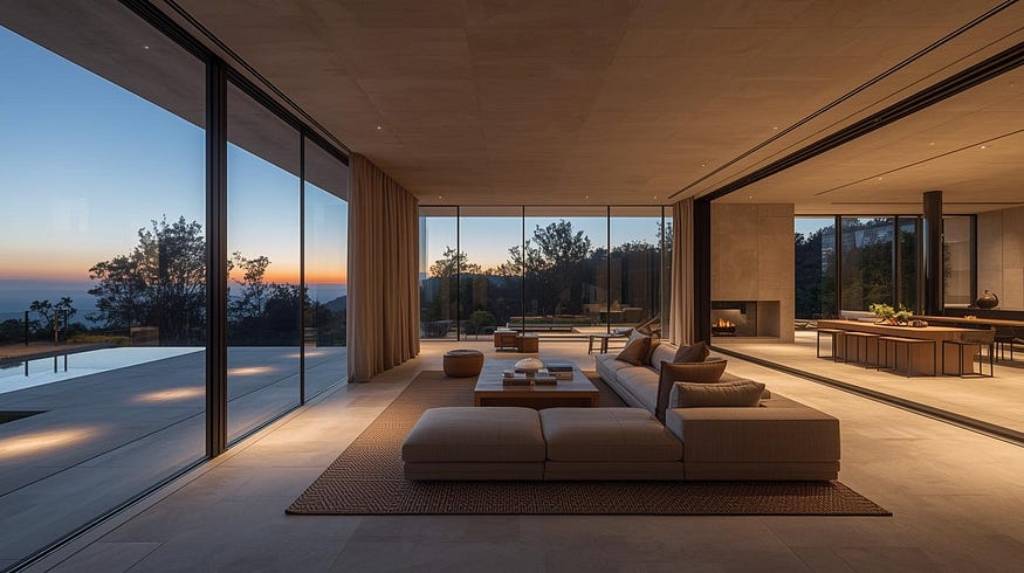
Evenings are honest. They arrive quietly, without spectacle, slipping into the corners of a home as the day begins to soften. Light changes its tone. The outside world becomes more distant, not because it disappears, but because the home starts gathering you back into yourself. Morning can feel rushed and outward-facing, afternoon can feel demanding, but evening is when life becomes private again.
It is in the evening that we stop moving for the world and begin moving for the home. The smallest actions start to matter more. The rituals we return to each night, often without thinking, reveal something intimate about the way we live. Not through grand gestures, but through repetition. Through the quiet ways we close the day. Through what we reach for when no one is watching.
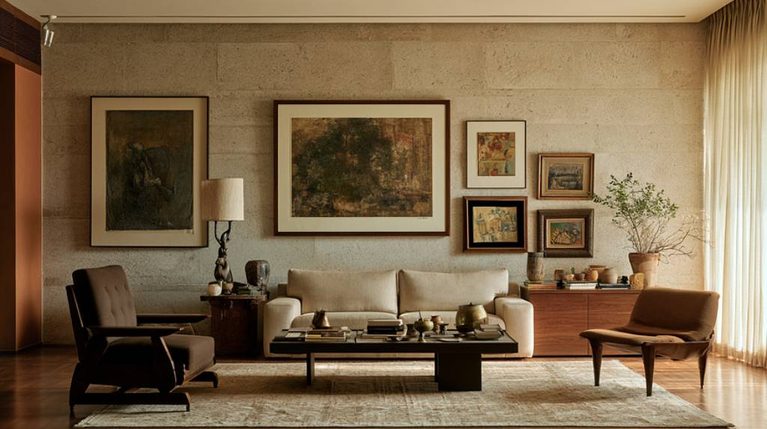
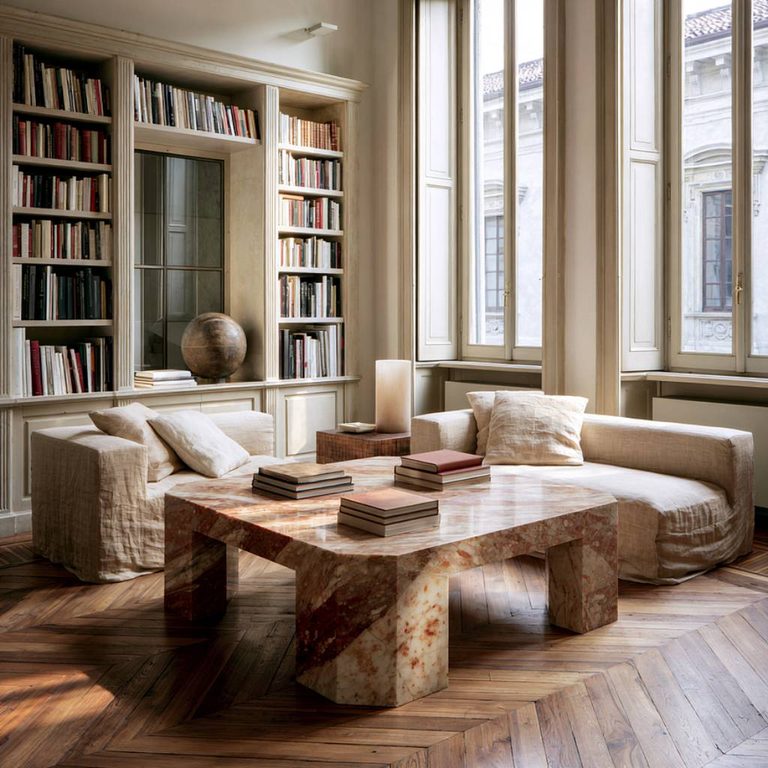
A home in the evening becomes different from a home in daylight. It becomes less concerned with how it looks and more concerned with how it feels. Rooms no longer ask to be admired. They ask to be inhabited. The air grows warmer, even when the temperature does not change, because evening brings intimacy. This is the hour when luxury becomes most subtle, not in what is displayed, but in what is held.
Some people begin the evening by turning on a lamp instead of the overhead light. It is a small choice, almost invisible, and yet it changes everything. The glow becomes softer, more forgiving. Shadows return. The room stops feeling functional and starts feeling restful. That single action becomes a ritual, a quiet signal that the day is over and gentleness is allowed again.
Other rituals are quieter still. Removing shoes at the door. Folding a shawl over the arm of a chair. Setting a glass of water beside the bed before sleeping. These are not habits of convenience. They are gestures of care repeated so often they become part of the home’s language. They are how a space is loved without being announced.
Evening rituals often reveal what we seek from home. Some homes fill with low music, as though sound is a kind of softness. Others become quieter, as though silence itself is comfort. The intention is always the same: evening is when we try, in whatever way we know, to return to ourselves. A calm home does not entertain you. It holds you.
There is something deeply emotional about kitchens in the evening. Not as places of productivity, but as places of reassurance. A cup of tea made slowly. Something warmed gently. A sweetness taken out without occasion. These moments are rarely about hunger. They are about comfort. Evening is when we feed more than the body. We feed the feeling of being home.
In some households, evening rituals are shared. The table is set, even if simply. Conversation unfolds without urgency. The day is spoken into softness. In others, the ritual is solitude: a familiar chair, a quiet corner, the slow unwinding of the mind. Both are forms of luxury, because both are forms of belonging. What matters is not the activity itself, but the tenderness with which it is repeated.
The rituals of evening also reveal what we protect. Drawing curtains. Closing doors. Turning down the volume of the world. Evening is often about boundaries, about saying quietly that the outside can wait. In modern life, we are always reachable, always visible, always connected. Evening rituals are one of the few places where we reclaim privacy and return to the interior life that homes were always meant to shelter.
Evenings also reveal the objects that matter most. The blanket you reach for instinctively. The cup you always choose. The lamp whose light feels like comfort. These are not impressive things. They are familiar things. They have stayed long enough to become part of you. Luxury is often misunderstood as newness, but evening belongs to the worn, the soft, the known.
A home that is truly lived in becomes most itself at night. Not when it is photographed or presented, but when it is quiet and private, when it is holding someone who is no longer trying to be impressive. Evening rituals are where time slows. The day has finished asking things of you, and the future has not begun yet. There is a pause, a threshold, and within that pause life feels strangely tender.
This is why evening is where many people feel the deepest affection for their homes. Not because evening is dramatic, but because it is soft. Because it allows the home to become intimate again. The rituals may be small, but their meaning is large. They tell you what kind of life is being lived here. Whether the home is a place of rushing or resting. Whether it is a place you pass through or a place that truly holds you.
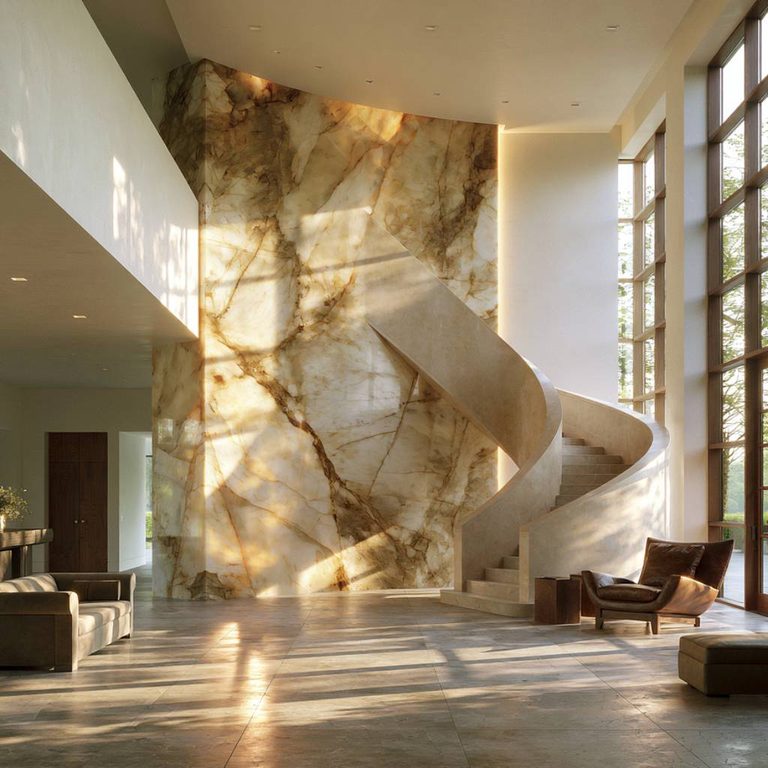
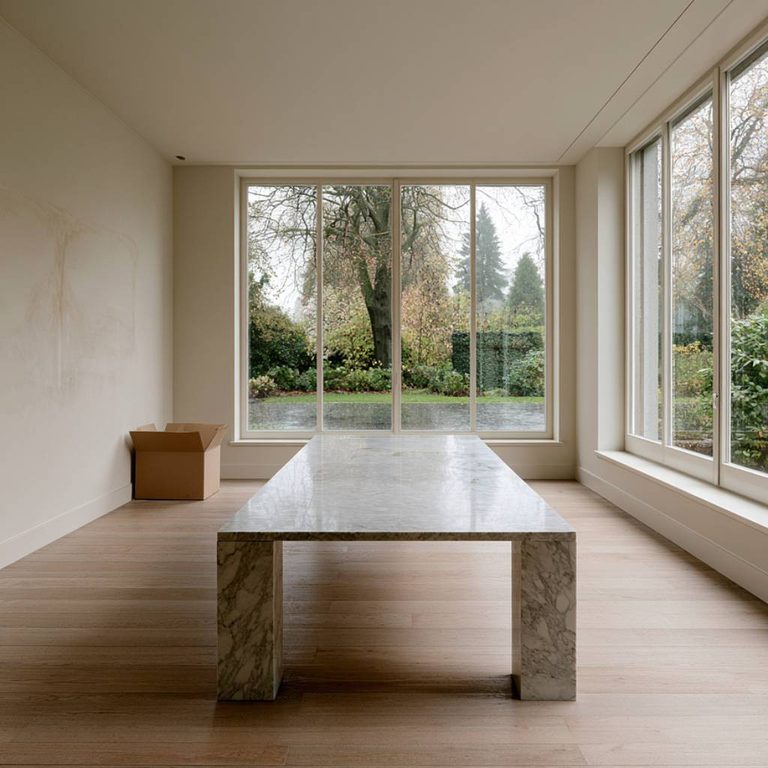
In the end, evening rituals are not really about routine. They are about care. They are the quiet ways we tell ourselves, day after day, that we are allowed to come home. And perhaps that is what luxury looks like most clearly: not marble, not spectacle, not scale, but a lamp turned on softly, a cup held slowly, a room that asks nothing, a home that lets the day end gently.
Evening rituals reveal the deepest truth about how we live. What we return to each night is not only a house, but a feeling. And the most beautiful homes are the ones that know how to hold that feeling quietly.