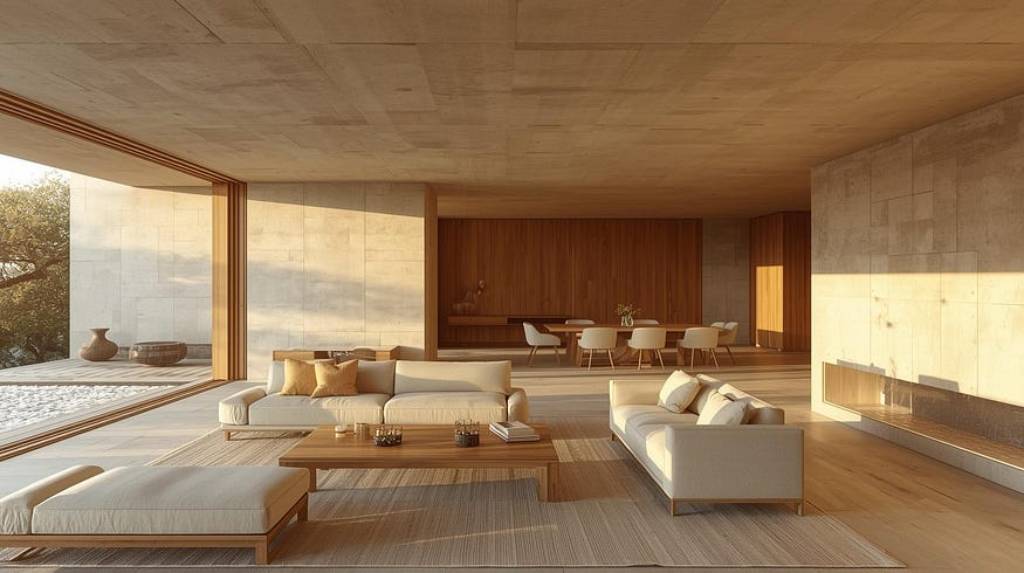
There is a moment, quiet and almost unannounced, when a house stops feeling like a place you live and begins to feel like a place that holds you. Nothing dramatic changes. The walls remain the same. The rooms do not suddenly become larger or more beautiful. And yet, something shifts in the air. The house becomes softer. It begins to feel less like a structure and more like a refuge.
A sanctuary is not built overnight. It is not purchased. It is not installed. It is something a home becomes, slowly, through presence, through repetition, through the gentle accumulation of ordinary life. A sanctuary is not defined by what is inside it, but by what you feel when you return.
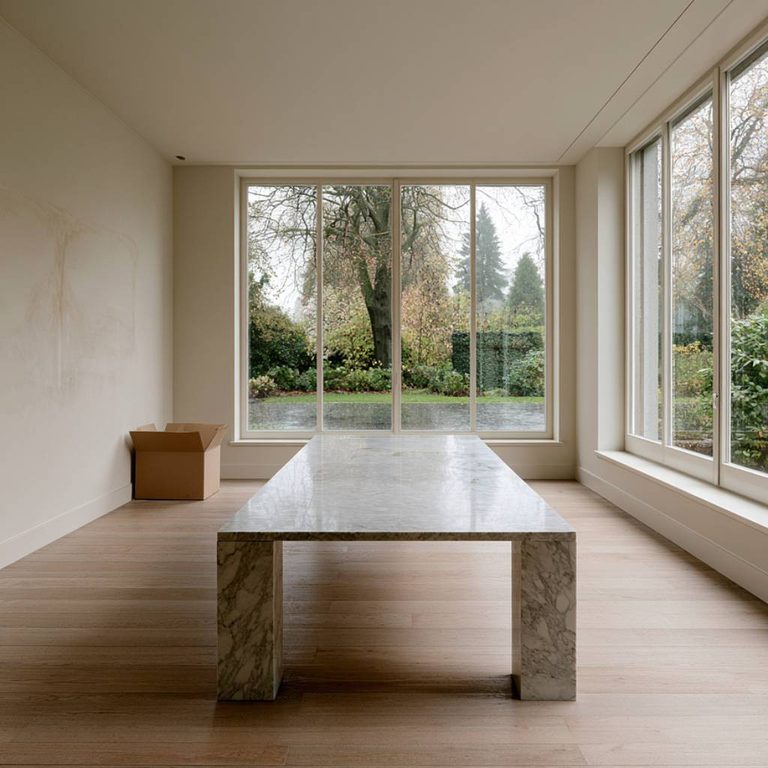
In the beginning, a house is often unfamiliar. Even when it is new and perfect, it can feel slightly empty, as though it is waiting to understand you. Rooms echo. Corners feel undecided. The space is beautiful, perhaps, but not yet intimate. It has not yet learned your rhythms.
A sanctuary begins when the house starts remembering.
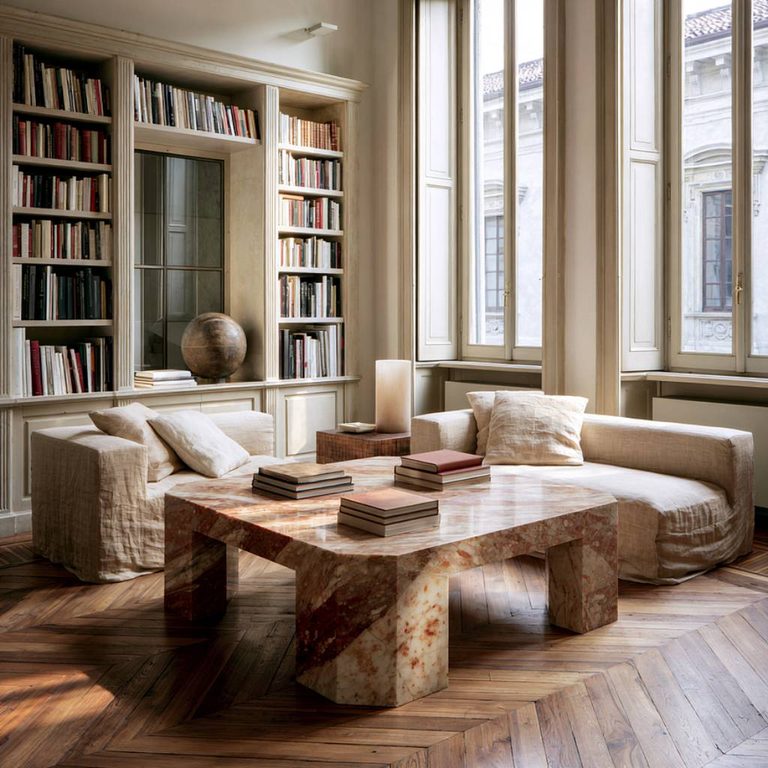
It remembers where you place your keys without thinking. It remembers the chair you always choose at the end of the day. It remembers the way light falls in the morning and where it rests in the afternoon. Slowly, the home becomes less about design and more about comfort, less about appearance and more about atmosphere.
There is a particular kind of luxury in that shift. Not the luxury of excess, but the luxury of ease. The luxury of not needing to perform inside your own walls.
A sanctuary is often defined by softness. Not only physical softness, though that matters too, but emotional softness. The feeling that you can move more slowly here. That you do not have to be alert. That the world does not require anything from you in this space. A sanctuary is where the nervous system relaxes before the mind even realises it.
It is the exhale you take when you close the door behind you.
In modern life, we carry so much noise. Even when everything is quiet, we are rarely still. We are reachable, visible, engaged, constantly pulled outward. And so, a sanctuary is not simply a home that is calm. It is a home that gives you back to yourself.
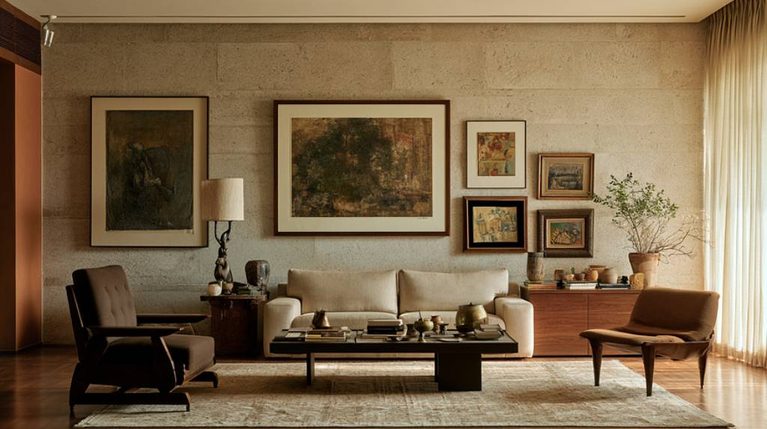
Sometimes it begins with light. The way evening arrives gently through sheer curtains. The way a lamp glows instead of harsh brightness. The way shadows soften the edges of the room. A sanctuary does not demand attention. It invites rest.
Sometimes it begins with routine. The small rituals that repeat without effort. A cup warmed in your hands. Curtains drawn at dusk. A familiar corner where you sit each night. These actions seem insignificant, but they are how a home becomes intimate. A sanctuary is built through repetition, through quiet acts of care.
There are homes that look impressive but feel distant. They are polished, pristine, untouched. But a sanctuary is never distant. It is close. It is personal. It carries the evidence of living. A book left open. A blanket folded casually. A softness in the space that cannot be staged.
The deepest luxury is not perfection. It is belonging.
A sanctuary is also defined by silence. Not emptiness, but peace. The kind of quiet that feels held rather than lonely. In a sanctuary, silence is not awkward. It is comforting. It allows the smallest sounds to return: footsteps, fabric, breath. It allows life to slow down into itself.
Perhaps that is why sanctuaries feel so rare now. Because so few places allow us to be unhurried.
A house becomes a sanctuary when it stops asking you to prove anything. When it no longer feels like something you must maintain for the world’s gaze. When it becomes a place where you can be unfinished, unguarded, human. Where you can sit without distraction and feel, for a moment, that nothing else is required.
There is tenderness in that kind of home. A sanctuary does not impress you. It protects you.
It is not always the grandest house that becomes a sanctuary. Often it is the one that holds your life most gently. The one that understands your quiet habits. The one that makes ordinary evenings feel soft. The one where time seems to slow, not because life is easier, but because the space allows you to breathe.
Sanctuary is also memory. A home becomes sacred through what it has witnessed. Laughter in the kitchen. Silence after a long day. The comfort of familiar mornings. The way certain corners begin to feel like companions rather than spaces.
A sanctuary is not about escape. It is about return.
Return to calm. Return to softness. Return to the parts of yourself that the world constantly interrupts.
And perhaps that is what we are all searching for, beneath the desire for beautiful homes and perfect spaces. Not spectacle. Not status. But shelter in the deepest sense. A place where life can unfold quietly. A place where you can arrive slowly. A place that holds you without asking for anything back.
In the end, a house starts to feel like a sanctuary when it becomes more than walls and rooms. When it becomes a feeling. When you step inside and something in you settles. When the home is no longer just where you live, but where you are allowed to rest.
Luxury, in its truest form, has always been this: not more, but softer. Not louder, but quieter. Not a house filled with things, but a house filled with peace.
And when a home becomes that, it becomes more than a home.
It becomes a sanctuary.