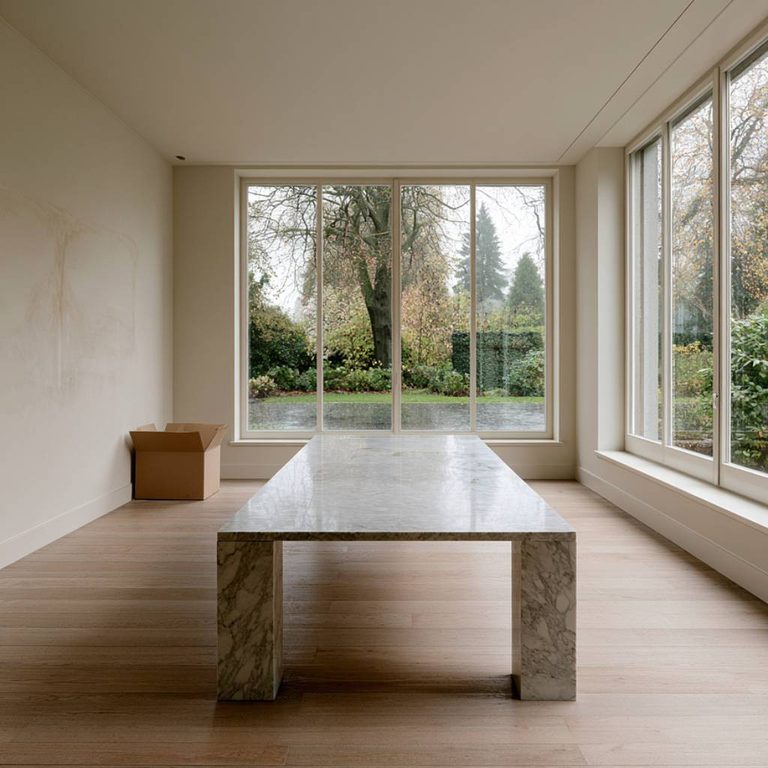
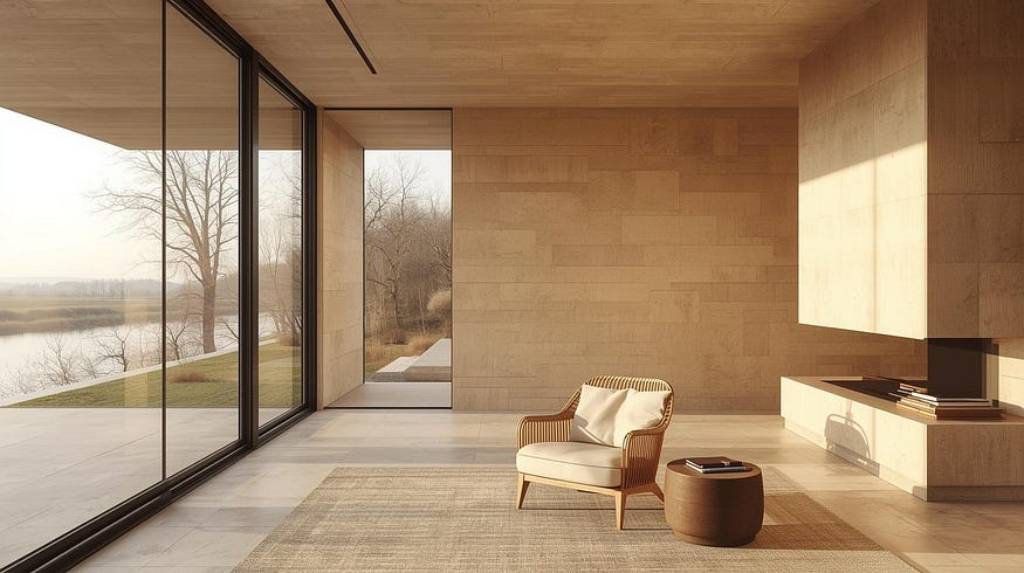
A home is rarely understood through architecture alone. Walls, proportions, and materials explain how a space is built, but they do not explain how it is lived. What truly reveals the nature of a room is something far less visible like the presence it holds and, eventually, the absence it learns to carry. There are moments when nothing in a house has changed, yet everything feels altered. Furniture remains where it was placed, light still enters at the same hour, and doors open with the same familiar sound. Still, the space feels quieter in a way that cannot be designed and heavier in a way that cannot be measured.
This is how absence begins to shape a home. It does not arrive dramatically or all at once. It settles slowly, through the recognition that a certain movement will no longer happen, a familiar voice will no longer return from another room, and a particular chair will remain untouched without explanation. Homes remember through repetition. Everyday gestures like placing keys on a surface, pausing near a window, walking the same path between rooms, leave behind patterns more durable than decoration. When those gestures disappear, the house does not forget them immediately. For a while, it continues to wait.
A corridor holds its silence longer than expected. A dining table feels larger than its size. A bedroom carries a stillness that does not belong to sleep. These are not architectural changes but emotional recalibrations, quiet adjustments through which space learns a new truth. In this way, absence becomes a form of presence. It is not visible, yet it is unmistakable. It does not occupy space, yet it reshapes how space is felt. Certain rooms begin to feel different not because they were redesigned, but because they are now arranged by memory.
Memory does not behave like decoration. It does not remain contained in photographs or sit politely on shelves. Instead, it moves through air, settles into corners, and lingers in the distance between objects. It changes the temperature of silence, softens light, and slows time within a room. A well-lived home does not resist this transformation. It absorbs it quietly, allowing materials to carry what words no longer can. Wood darkens where hands once rested. Fabric keeps the faint shape of use. Floors remember the direction of footsteps long after they have stopped. These marks are not only signs of loss. They are evidence that life passed through fully.
In this sense, absence is not the opposite of belonging. It is often its proof. Only spaces that have truly held someone can feel the weight of them being gone. Only rooms that have witnessed ordinary days; meals without ceremony, conversations without record, moments too small to notice at the time; can carry memory with such quiet authority. Luxury, when understood deeply, has little to do with perfection. Perfect rooms remain untouched by time and resist change. They avoid marks and preserve surfaces in a state of distance. But rooms that accept time, that allow presence to shape them and absence to remain within them, hold something rarer than perfection. They hold continuity.
To live in such a home is to understand that space is never truly empty. Even in silence, it is filled with what has been lived. Even in stillness, it carries movement that once existed. Nothing visible may remain, yet the feeling persists with quiet certainty. This is why returning to certain rooms can feel both comforting and difficult at the same time. The body recognizes what the eyes cannot see. A pause happens without intention. Breath slows. Sound softens. Time folds slightly inward. The house is not asking to be remembered. It is already remembering.
Over time, something gentle begins to occur. The sharpness of absence changes. It does not disappear, but it settles into a calmer form that feels less like an interruption and more like a presence woven quietly into daily life. Light continues to arrive each morning. Doors continue to open. Rooms continue to hold whoever remains. The home does not return to what it once was, yet it does not become empty either. Instead, it learns a quieter way of being whole.