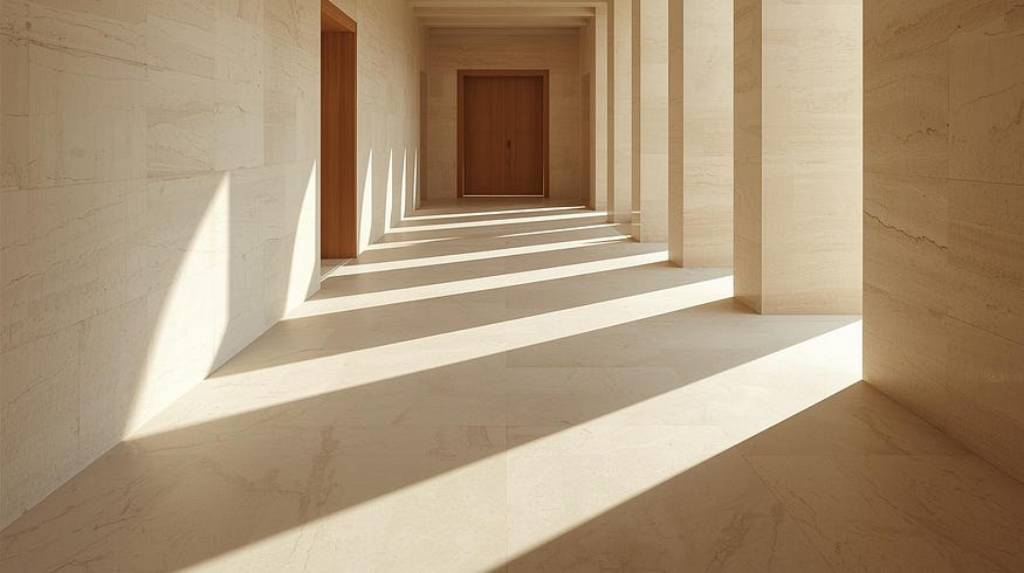
There is a moment in every long-lived home when time becomes visible in a new way. Nothing dramatic changes in the architecture. The walls remain where they have always been, the furniture keeps its familiar place, and light continues to enter the rooms at the same hour each day. Yet something in the rhythm of the house begins to soften. Movement slows. Sounds grow gentler. The same spaces start to feel different, not because they have changed, but because the people within them have.
Ageing rarely announces itself loudly. It arrives quietly, through small adjustments that are easy to miss at first. A walk across the room takes a little longer. Hands rest on surfaces that were once passed without notice. Stairs are climbed with care rather than ease. These moments do not feel significant on their own. They are ordinary, almost invisible. But together, they begin to reshape the emotional tempo of the home.
A house that has witnessed many years learns to hold multiple speeds of life at once. It remembers the quick energy of childhood, the steady pace of middle years, and eventually the slower, more deliberate movement of age. When parents begin to move gently through the same rooms where they once moved quickly, the space gathers a quiet tenderness. Familiar corridors feel softer. Everyday routines feel more meaningful. Time no longer feels distant. It feels present in every step.
This change is not only physical. It is deeply emotional. The roles inside a home begin to shift in subtle ways. Care that once flowed in one direction slowly turns and returns. Attention becomes more patient. Conversations stretch longer. Silence becomes more comfortable. The house, without changing its structure, begins to hold a different kind of love, the one that is shaped by gratitude, memory, and awareness of passing time.
Objects inside the home start to carry new meaning. A chair becomes a place of rest rather than habit. A dining table becomes a space for lingering rather than routine. Windows invite longer pauses. Even light feels slower as it moves across the day. Nothing extraordinary has happened, and yet everything feels more deliberate, as though the house itself understands the value of each ordinary moment.
There is a quiet dignity in this phase of life that architecture rarely speaks about. Design often celebrates beginnings like new homes, new families, new possibilities. But the later years inside a house hold a different kind of beauty. It is not energetic or visible. It is calm, reflective, and deeply human. The luxury of such a home is not measured in materials or scale, but in the years, it has protected, the lives it has witnessed, and the gentleness it now contains.
To watch parents, move slowly through familiar rooms is to feel time folding inward. Memories of earlier years remain present, layered softly over the present moment. The same hallway holds both past footsteps and current ones. The same kitchen contains echoes of busier days. Nothing has disappeared, yet everything feels quieter. The house becomes a meeting place between what was and what still is.
This tenderness often brings an unspoken awareness. Ordinary days begin to feel precious. Small routines feel meaningful. Presence itself feels like a gift. The home does not speak this aloud, but it holds the feeling in its atmosphere. Calm replaces urgency. Attention replaces distraction. Love becomes less about expression and more about care.
And still, the walls do not change. The rooms remain steady, offering the same shelter they always have. What changes is the way life moves inside them. Slowness enters not as loss, but as a different rhythm, the one that invites noticing, patience, and quiet closeness. The house, in turn, becomes gentler. It holds each step with more softness, each pause with more understanding.
In the end, a home that carries ageing within it also carries profound tenderness. It teaches that time is not only something that passes, but something that deepens. The same rooms that once held beginnings now hold gratitude. The same spaces that witnessed growth now witness care. Nothing in the architecture has changed, yet the meaning of everything has.
And in that quiet transformation, the house reveals its truest purpose.
Not only to shelter life as it begins, but to hold love gently as it grows older.