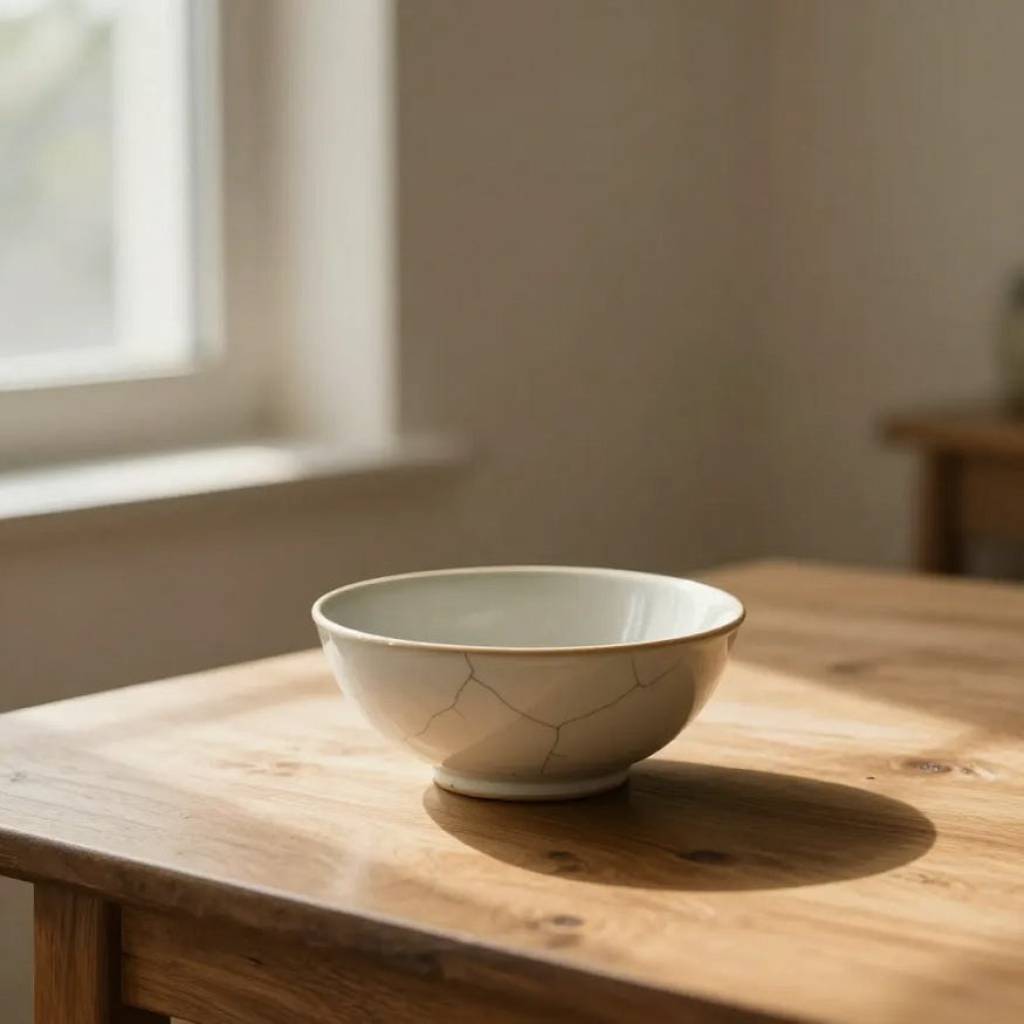
There is a small bowl in my mother’s house that has been there for as long as I can remember. It isn’t special in the way people usually mean special. It is not rare, not valuable, not something anyone would notice if they walked past it. The glaze has faded in places, and there is a tiny crack near the rim. And yet, no one has ever suggested replacing it. Because it stopped being a bowl a long time ago. It became something else entirely. It became part of the home.
Most homes are filled with things we buy. But the homes that feel truly lived in are shaped by the things we keep. Not because they are perfect, but because they have stayed. They remain quietly in place as life changes around them, absorbing years without asking for attention.
There are objects in a house that are functional and temporary, the kinds of things that can be replaced without much thought. A new set of glasses, a lamp chosen quickly, a rug that will eventually wear out. But then there are the objects that become permanent without anyone ever deciding they would. They simply remain. They outlast phases, survive moves, sit silently through decades, carrying something that cannot be explained in material terms.
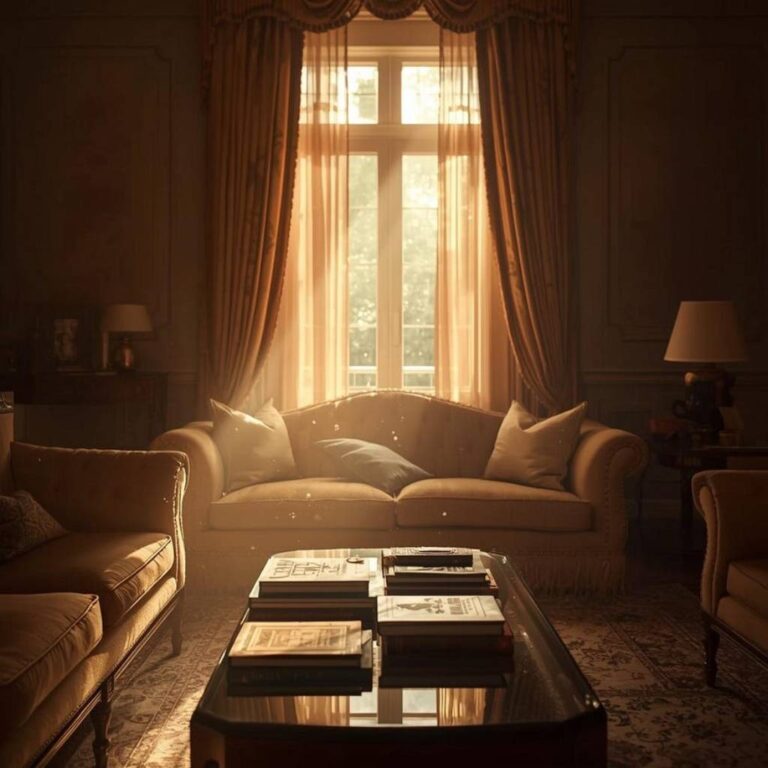
In many luxury homes, people imagine everything must be pristine, untouched, immaculate. But the deepest kind of luxury is not perfection. It is continuity. It is the feeling that life has unfolded here slowly and honestly over time. A home like that does not feel staged. It feels inhabited, not by clutter, but by memory.
Heirlooms are often spoken about as grand things like a jewellery passed down through generations, antique furniture, pieces with price tags and provenance. But in real homes, heirlooms are rarely dramatic. They are humble. They are ordinary objects that became extraordinary only because someone loved them long enough. A steel container that always held sweets during festivals. A shawl folded in the same cupboard for decades. A dining table with marks that no polish ever fully removes, not because it was neglected, but because it was used.
There is something profoundly emotional about wear. A softness that cannot be manufactured. A patina that only time can create. You cannot buy that kind of richness. You can only live it. The objects we never replace hold the proof that life has happened here, repeatedly, gently, without performance.
Sometimes, the objects we keep are the ones that still carry someone’s presence. A handwriting on the first page of a book. A chipped cup your father always reached for. A mirror that has reflected generations of faces getting ready for weddings, for work, for ordinary mornings. These things hold people in quiet ways. They make absence less absolute, because something of them still remains in the everyday fabric of the house.
A home is not only a place you live. It is also a place that remembers. And the objects inside it become its memory. They are the home’s archive, holding laughter, grief, routine, celebration, all without needing to speak.
Modern life teaches us to replace quickly. Upgrade, refresh, discard. But homes do not work like that. Homes are not meant to be endlessly edited. They are meant to be layered. A home becomes beautiful not through constant renewal, but through accumulation and through the slow gathering of meaning.
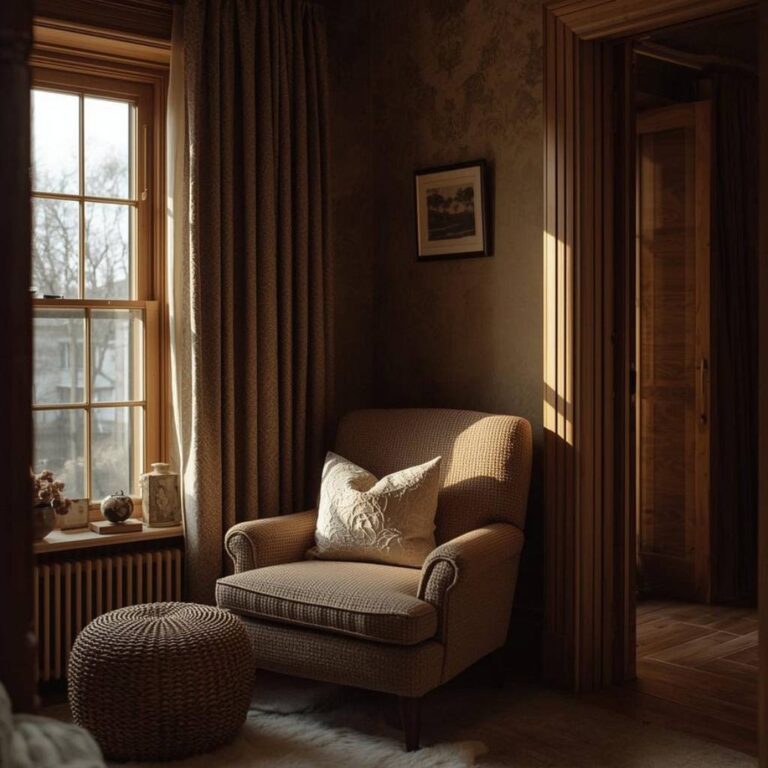
There is a particular comfort in walking into a house where something has stayed the same. The old clock still ticks a little too loudly. The same corner still holds the same chair. The brass lamp is still lit during festivals, even if it is slightly tarnished now. These are small consistencies, but they anchor us. They remind us that not everything is fleeting.
Luxury, in its truest sense, is the ability to hold on. To not erase. To not constantly begin again. To live among things that have history. Some of the most expensive homes in the world feel empty, not because they lack objects, but because they lack memory. Everything is new. Everything is interchangeable. And so the home never fully settles into itself.
But the homes that feel deeply luxurious are often quieter. They contain objects that are not impressive, but irreplaceable. Objects that belong not to design, but to life. A recipe book with stains on its pages. A suitcase that travelled through decades. Curtains that still fall in the same familiar way. A bowl that has held countless evenings without anyone noticing.
Perhaps that is what we are really searching for when we search for luxury. Not more, not bigger, not newer, but something that lasts. Something that holds. Something that does not disappear the moment life changes.
The objects we never replace teach us this: that a home is not made by what you purchase. A home is made by what you carry forward. By what stays with you. By what becomes part of your story.
And in the end, the most luxurious homes are not the ones filled with flawless things. They are the ones filled with enduring ones. The ones where memory has a place to rest. The ones where an ordinary object can become irreplaceable, simply because it has been loved, simply because it has remained.