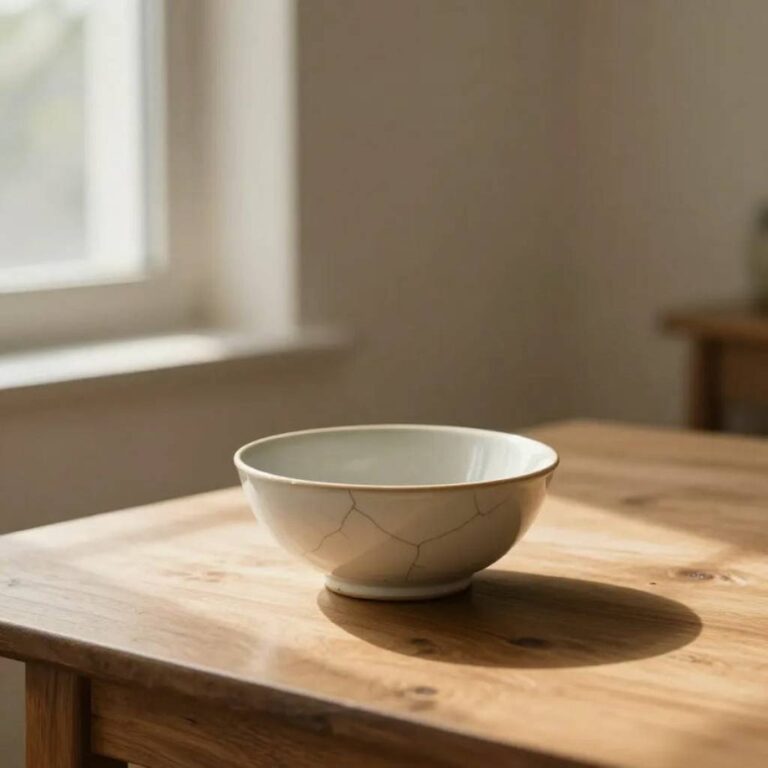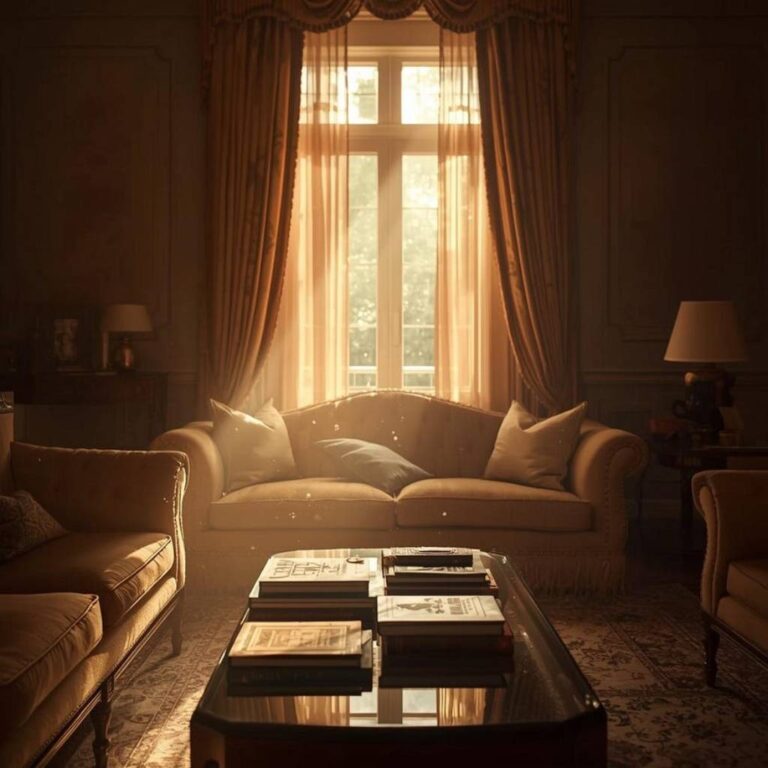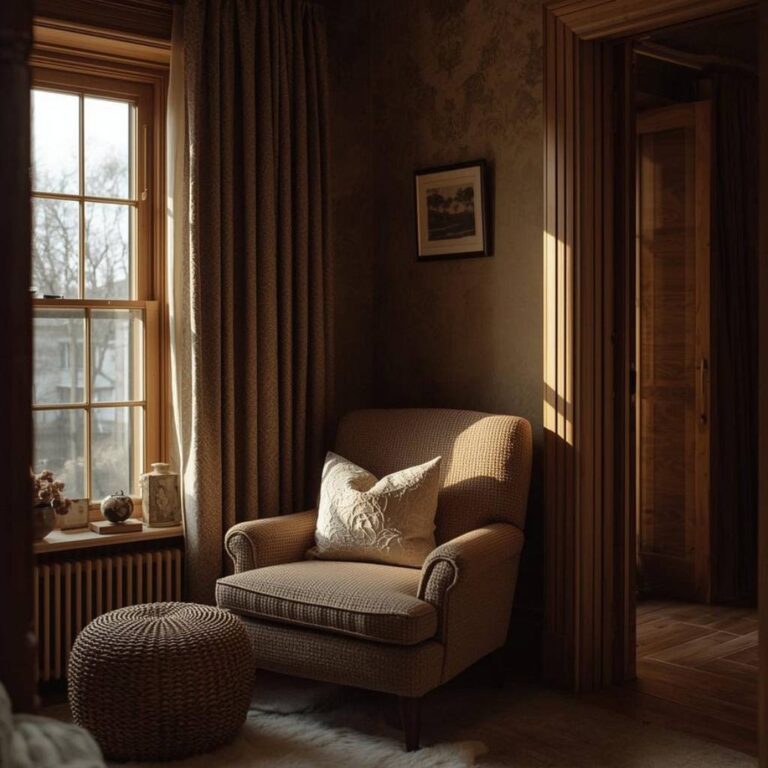
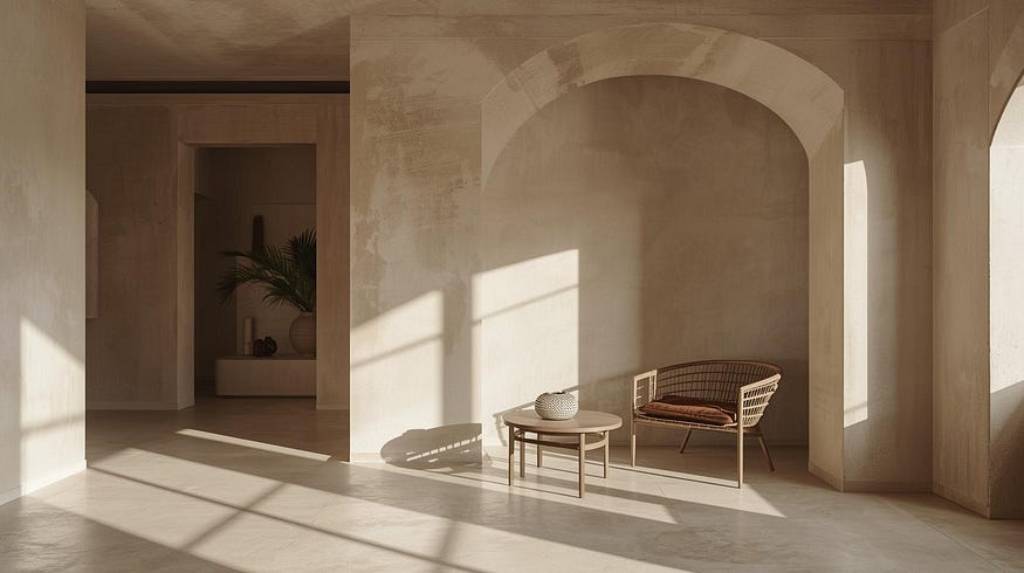
Morning light arrives without ceremony.
It does not announce itself. It does not demand attention. It simply finds its way in through the familiar crack between curtain and wall, across a surface that has learned how to receive it.
In a well-lived home, the morning is never dramatic. It is patient.
The light touches the floor first. Not the polished centre of the room, but the edges, where footsteps have softened the stone over years, where small imperfections have been accepted rather than corrected. It lingers there, warming what is already known.
This is not the light of show homes or photographs. It does not flatten shadows or chase perfection. It moves slowly, almost cautiously, as though aware it is entering someone else’s rhythm.
In these moments, luxury does not feel deliberate. It feels earned.
A chair sits by the window, not arranged, but placed, long ago because someone once needed to sit there. The fabric has faded unevenly, not from neglect, but from repetition. Morning after morning, the sun has returned to the same spot, tracing time more faithfully than any clock.
The house remembers this.
Well-lived homes are not silent in the morning. They hum softly. Pipes settle. Wood responds to temperature. The building exhales, as though waking alongside its occupants. Nothing feels staged. Nothing feels rushed.
There is a sense that the home knows what comes next.
Light travels upward now, catching the side of a wall that has never been repainted simply for freshness. Its colour is not trendy, not chosen to impress. It exists because it once felt right and has remained so. The surface bears marks that no one has bothered to hide. A faint scratch. A softened corner. Evidence of touch.
These are not flaws. They are proof.
In a well-lived home, morning light reveals history rather than conceals it. It traces the outline of objects that have stayed like a side table that has outlasted several owners, a shelf whose contents have changed but whose presence has not. Nothing here feels temporary.
Luxury, in this space, is not the absence of clutter. It is the presence of continuity.
The kitchen receives the light differently. It arrives with familiarity, illuminating what will be used again. Cups waiting without urgency. Surfaces worn smooth by habit. This is not the shine of newness, but the softness of endurance.
The light does not rush through. It pauses. It recognises the room.
There is a confidence in spaces that do not need to perform. In a well-lived home, the morning is not curated. It unfolds. Windows are opened without calculation. Curtains are drawn back the same way they always have been. The house does not change itself for the day.
It simply continues.
In such homes, luxury is not announced through materials or scale. It is felt in how easily the light belongs. How naturally it settles into corners without resistance. How it does not expose, but rather affirms.
There is no urgency to capture it. No need to document the moment. It exists whether anyone notices or not.
The living room fills gradually. Shadows retreat without apology. The space does not demand to be admired. It allows itself to be inhabited.
A well-lived home does not need morning rituals to feel complete. Its rituals have already been absorbed into the walls. The light knows where it has been before. It follows paths that repetition has carved.
This is not accidental. It is the result of time.
Many houses receive light. Few allow it to stay.
In homes designed to impress, morning light feels like an interruption, too revealing, too honest. It highlights what must be maintained, what must remain perfect. In a well-lived home, light is welcomed precisely because it reveals life as it is.
There is generosity in this acceptance.
The bedroom is last to wake. The light enters gently, softened by fabric chosen long ago for comfort rather than appearance. It brushes against the edges of the room, respectful, unhurried. Nothing here needs correction.
The house does not try to be new.
This is where quiet luxury lives not in abundance, but in familiarity. Not in scale, but in patience. In the way a space allows itself to age without apology.
Morning light in such a home does not feel like a beginning. It feels like continuity.
And perhaps that is the most understated form of luxury there; is to live in a place where each day does not need to reinvent itself, where light arrives knowing it will be received, and where the home, like its occupants, has learned that staying is enough.