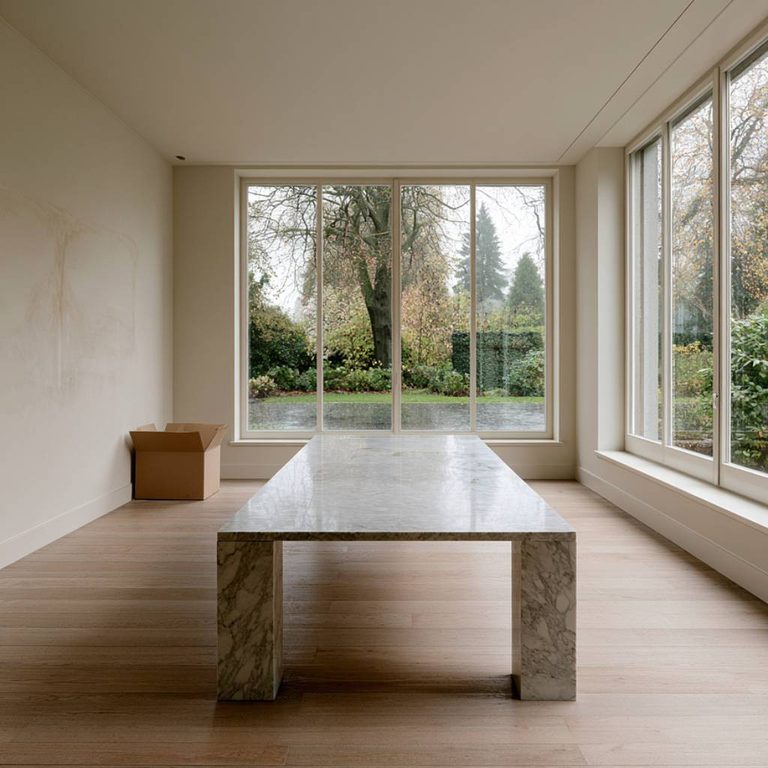
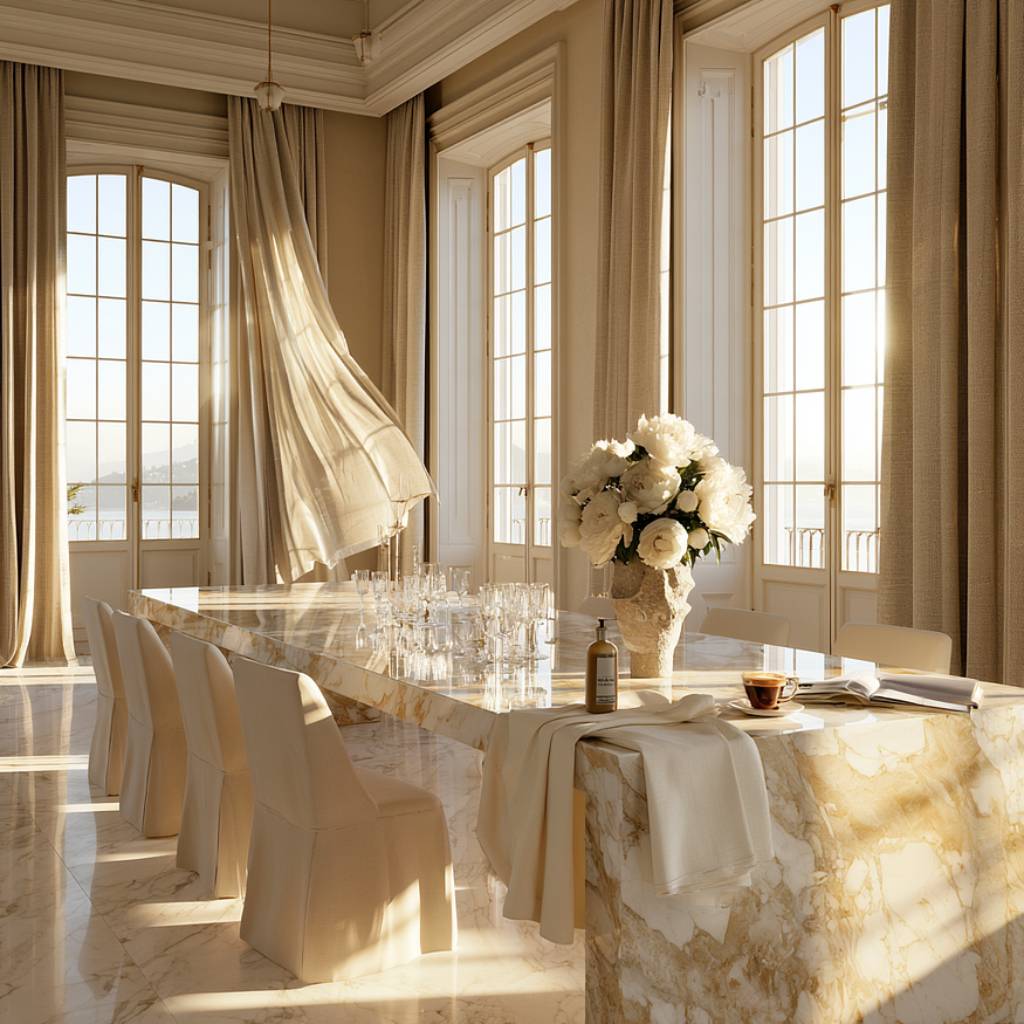
The morning rarely begins with grand gestures inside a well-loved home. It begins with smaller acts that almost disappear into routine. A curtain is drawn back to welcome the first light. Fresh flowers are given clean water before anyone thinks of breakfast. A coffee cup is placed carefully on its coaster without conscious effort. Somewhere in another room, a soft linen cloth glides across a marble console, removing the faint dust that settled overnight. Nothing about the moment feels like maintenance. It feels like care. The difference is subtle, yet it defines the emotional life of exceptional homes.
There is a common misconception that luxury is achieved when construction ends. The final stone is installed, the furniture arrives, photographs are taken and the project is declared complete. In reality, that is only the beginning of a much longer relationship between people and the spaces they inhabit. A truly remarkable home is not preserved by expensive materials alone. It survives because someone quietly continues to care for it every single day. Luxury, in its most enduring form, is less about acquisition than about stewardship.
Natural stone illustrates this philosophy more honestly than perhaps any other material. Marble, quartzite and limestone have already existed for millions of years before entering a residence. They have survived geological transformations far greater than human lifetimes. Yet once they become part of a home, they begin responding to entirely different forces, not tectonic pressure, but everyday life. Morning coffee, children’s art projects, dinner celebrations, fresh flowers, forgotten glasses of lemon water, hurried routines before work and quiet evenings with family all leave subtle traces upon the surfaces that witness them. These materials do not demand perfection. They ask only for respect.
That respect begins with understanding rather than restriction. Too often, homeowners are handed lengthy maintenance manuals filled with warnings, prohibited products and technical instructions that transform ownership into anxiety. The home begins to feel fragile instead of welcoming. People hesitate before placing a cup on the dining table or allowing children to play freely across polished floors. Gradually, architecture starts controlling daily life instead of supporting it. This is not luxury. It is apprehension disguised as preservation.
The finest homes avoid this tension because their care rituals become almost invisible. They integrate naturally into everyday living rather than interrupting it. A soft microfiber cloth resting inside a kitchen drawer becomes as ordinary as cutlery. Spills are gently wiped while they are fresh, not because someone fears damage but because attentiveness has become second nature. Neutral pH stone cleaners are chosen with the same thoughtfulness as quality ingredients for cooking. Windows are opened each morning, allowing fresh air to circulate while natural daylight quietly reveals surfaces that deserve a little attention. These habits require only minutes, yet they preserve decades.
There is something deeply reassuring about these repetitive acts. They remind us that beautiful homes are not sustained through occasional dramatic interventions but through consistent moments of quiet responsibility. Just as gardens flourish because they are tended regularly rather than rescued occasionally, architecture ages gracefully when care becomes routine instead of emergency. A polished Calacatta countertop continues to reflect morning light beautifully not because it was expensive, but because someone has treated it kindly every day since installation.
Housekeeping teams often understand this relationship intuitively. The finest professionals rarely think of themselves as cleaners. They become custodians of atmosphere. They know which cloth belongs to honed marble and which should never touch high-gloss stone. They recognise the difference between removing dust and damaging a finish. They notice subtle changes before homeowners ever do. Their work extends beyond cleanliness; it preserves calm. The absence of scratches, stains and unnecessary deterioration allows every room to continue feeling effortless, regardless of how frequently it is used.
Even the products chosen for daily care reflect a philosophy of respect rather than convenience. Natural stone responds best to gentle, pH-neutral solutions specifically designed to preserve its mineral composition. Harsh household acids, including vinegar or lemon-based cleaners, may seem harmless because they appear natural, yet on calcareous stones such as Carrara, Calacatta and Statuario marble they gradually etch the surface, permanently changing how light reflects across it. The damage rarely appears dramatic overnight. Instead, it accumulates quietly, one cleaning at a time. The irony is striking. Materials formed patiently over geological time can lose their finish not through misuse, but through small acts performed repeatedly without understanding.
This lesson extends beyond maintenance itself. Every meaningful relationship, whether with people, places or objects, is strengthened by gentle consistency rather than occasional intensity. Homes teach this beautifully. They reward patience. They respond to observation. They become more personal not because they remain untouched, but because they are lived in thoughtfully. The faint patina that develops on a bronze handle, the softened sheen of natural timber beneath familiar footsteps or the marble staircase polished gradually by generations of family life become evidence that care has existed alongside use rather than in opposition to it.
Perhaps this is why exceptional homes never feel precious in the uncomfortable sense of the word. They invite living rather than demanding caution. Children still run across stone floors. Friends still gather around dining tables. Coffee is still enjoyed beside open windows every morning. The architecture does not ask to be protected from life. It asks only that life unfolds with consideration. The rituals of aftercare are therefore never about preserving perfection. They are about ensuring that the home continues offering the same quiet generosity decades from now as it did on the day its owners first walked through the door.
In the end, maintenance is not a technical obligation. It is an expression of gratitude. Every cloth passed gently across stone, every thoughtful choice of cleaning product and every small daily habit says the same thing without words: this place matters. That quiet acknowledgement allows architecture to age with dignity, carrying memories instead of damage, character instead of neglect, and beauty that deepens rather than fades with time.
The homes we love the longest are rarely the ones we protect most carefully, they are the ones we care for most gently, every ordinary day.