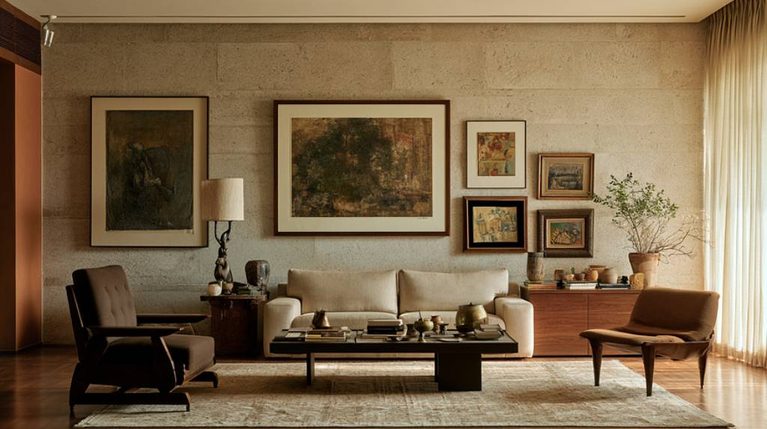

The first guest arrived fifteen minutes early, apologising gently before the front door had fully opened. The host smiled, stepped aside and simply said, “Come in.” There was no last-minute rush to hide clutter, no frantic search for serving bowls, no concern that the dining table looked unfinished or that the flowers were not perfectly arranged. The kettle was already warm, afternoon light rested softly across the dining table and the house seemed prepared long before anyone had arrived. What made the moment memorable was not its perfection but its ease. The home asked nothing of its owners except to welcome the people they cared about.
Somewhere along the way, hospitality became confused with performance. Hosting began to resemble production rather than generosity. Dining tables became carefully staged compositions, kitchens transformed into temporary studios and every gathering seemed to require elaborate planning, flawless presentation and constant attention from the host. Ironically, the more effort invested in appearing effortless, the less relaxed everyone became. Guests noticed the anxiety even when they admired the beauty. The evening often revolved around maintaining appearances rather than creating conversations.
The most remarkable homes quietly resist this idea. They understand that true hospitality begins long before food reaches the table. It begins with architecture that removes small frustrations before they ever become noticeable. The distance between the kitchen and dining area feels natural rather than exhausting. Serving dishes have a place that is easy to reach. Guests instinctively know where to leave their coats without being directed. Conversations continue uninterrupted because movement through the home feels intuitive. Nothing about these experiences appears extraordinary on its own, yet together they create an atmosphere where everyone gradually forgets they are inside a carefully designed house and simply enjoys being together.
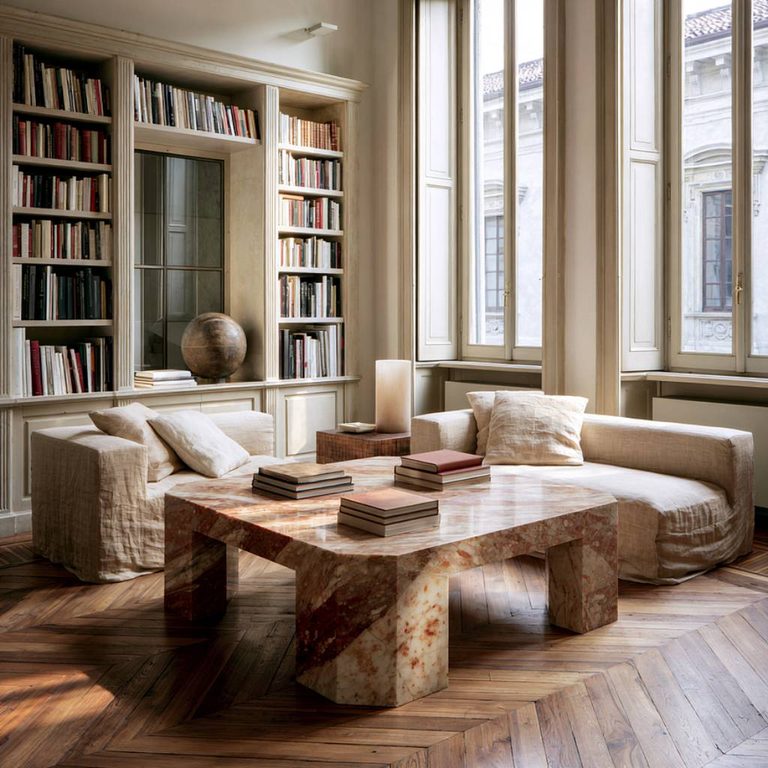
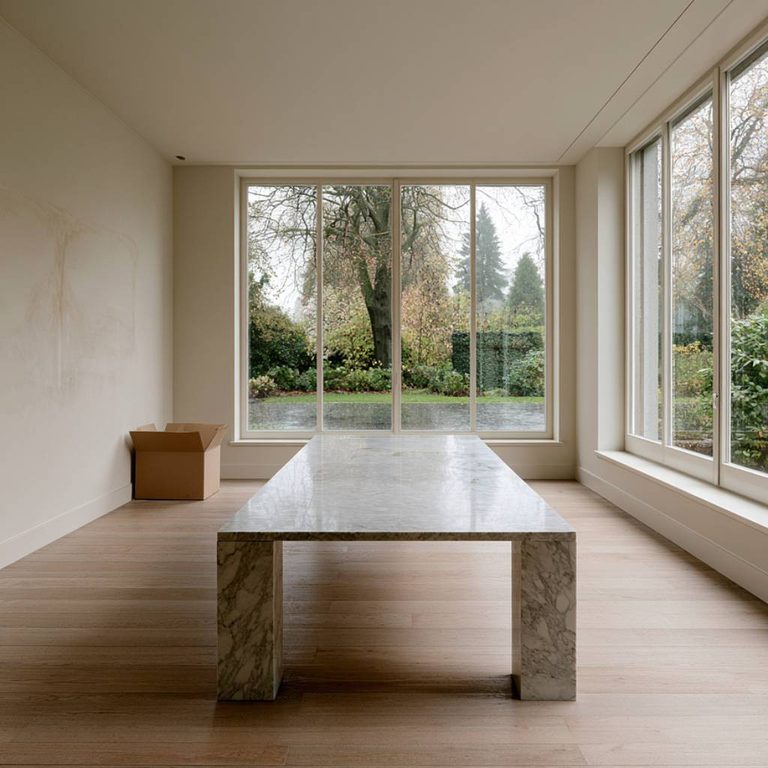
This quiet generosity is often built into the architecture itself. A generously proportioned dining table leaves enough space for shared dishes without overwhelming personal conversations. Wide circulation paths allow people to move naturally around one another without interruption. Durable natural materials remove the fear of everyday accidents. A polished marble tabletop is not chosen because it photographs beautifully but because it welcomes years of shared meals with confidence. Limestone beneath bare feet remains comfortably cool throughout long summer evenings. Timber softens the acoustics of laughter, while plaster walls absorb light gently enough that faces remain relaxed rather than brightly illuminated. Every material contributes not to visual spectacle but to emotional ease.
Perhaps this is why homes designed around genuine hospitality rarely feel precious. Guests instinctively place a glass on the table without asking permission. Children wander comfortably between rooms. Someone quietly helps clear the plates without feeling they are disturbing a carefully arranged setting. Another guest drifts towards the kitchen to continue a conversation while tea is being prepared. The house encourages participation rather than observation. It never asks people to admire it before they are allowed to enjoy it.
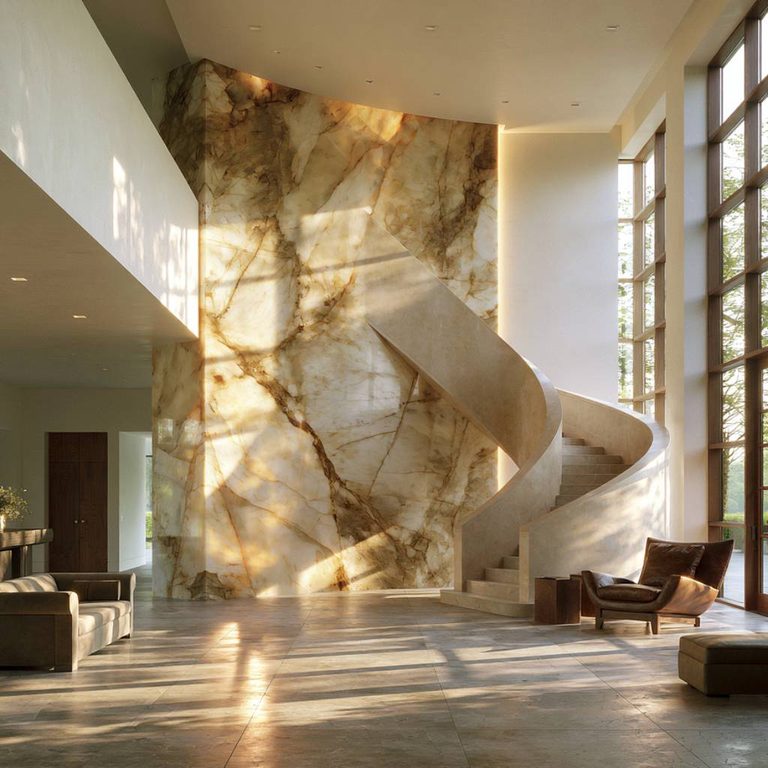
Natural stone illustrates this philosophy particularly well. Too often, expensive materials create hesitation. Visitors apologise for every small spill or carefully hold their drinks as though the furniture beneath them were too valuable to be used. Yet when stone is selected not only for its beauty but also for its durability and maintained with thoughtful care, it becomes surprisingly liberating. Homeowners stop worrying about every cup of tea or every shared meal because they understand that good materials are meant to accompany life, not interrupt it. Knowledge replaces anxiety. Care replaces fear. Hospitality becomes lighter because nothing feels too precious to touch.
The emotional success of a gathering therefore depends less on decoration than on confidence. Guests rarely remember whether flowers perfectly matched the table linen or whether every candle remained perfectly aligned. They remember whether conversations flowed naturally. They remember whether the room encouraged everyone to remain seated long after dinner had ended. They remember feeling comfortable enough to laugh loudly without worrying that they were disturbing the house itself. Great architecture quietly supports these memories without ever demanding recognition.
There is also remarkable generosity in homes that leave room for imperfection. A slightly unfinished dessert prepared together in the kitchen often creates stronger memories than an elaborate meal served with unnecessary formality. Empty serving dishes left casually on the dining table after everyone has finished become evidence of abundance rather than disorder. Chairs pushed back unevenly reveal conversations that lasted longer than expected. These gentle traces of shared experience often become the most beautiful part of the evening because they prove the home was lived in rather than presented.
Perhaps luxury should be measured by this kind of freedom. Not the freedom to own extraordinary materials, but the freedom to use them without hesitation. Not the freedom to impress guests, but the freedom to forget that impressing them was ever necessary. The finest homes quietly dissolve the invisible barrier between host and visitor until everyone feels equally at home. Architecture achieves its highest purpose not when it becomes the centre of attention but when it allows people to become fully present with one another.
As the evening slowly draws to a close, nobody notices the marble beneath the glasses, the carefully proportioned dining room or the subtle relationship between the kitchen and the table. Those decisions have already completed their work. What remains are conversations that continued far longer than planned, laughter that lingered between rooms and the comforting feeling that returning soon would require no special occasion. The house has offered something far more valuable than beautiful interiors. It has offered permission to gather without performance.
The finest homes are not remembered for how beautifully they welcomed guests, but for how quickly they made everyone forget they were guests at all.