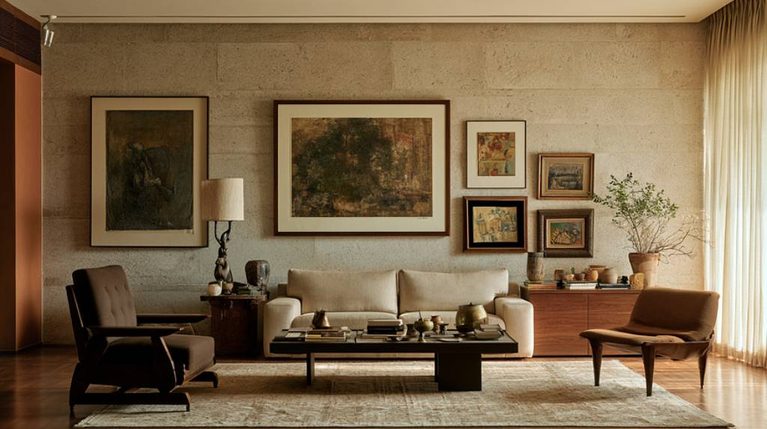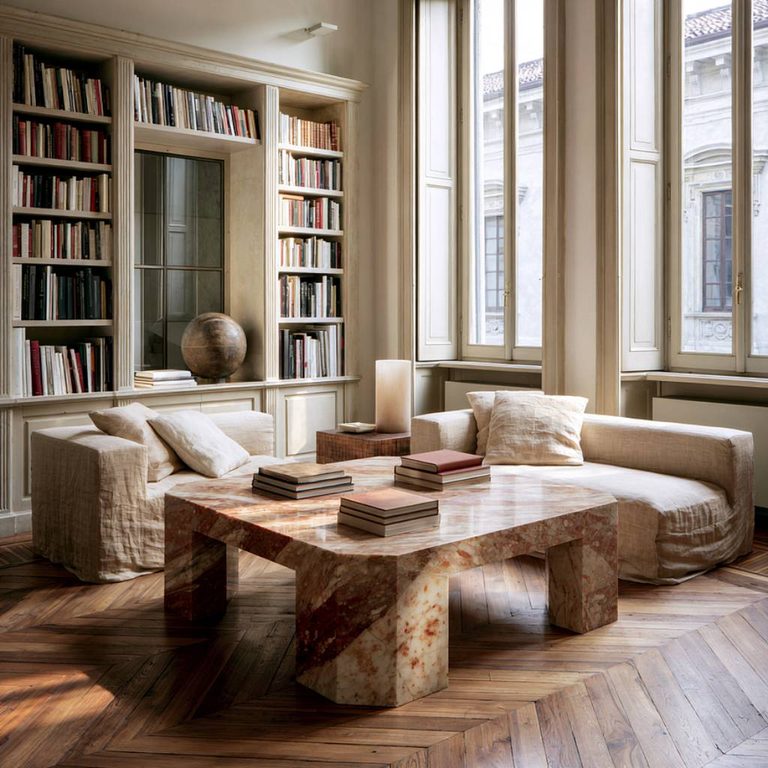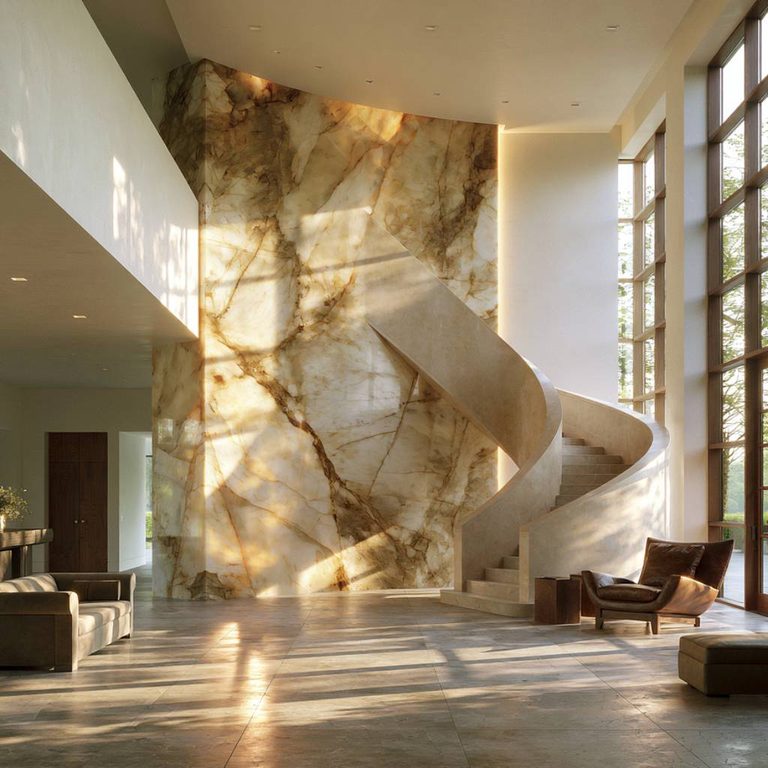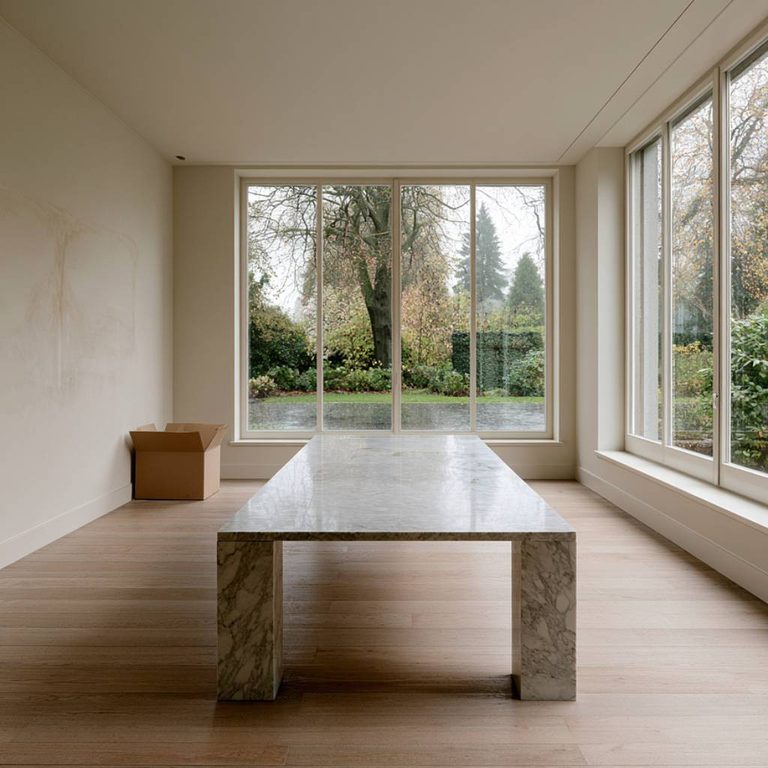

The photograph had been taken more than thirty years earlier. It rested quietly on a hallway console beside the staircase, its edges softened by time rather than damage. In it stood a young couple, smiling awkwardly in front of a newly completed house that still smelled of fresh plaster and timber. The trees outside barely reached the windowsills. The children who would eventually race through those rooms had not yet been born. The marble beneath their feet reflected unfamiliar light because it had not yet learned the rhythms of the family who would live upon it. It was a picture of beginnings, and yet what made it remarkable was not how much had changed since then. It was how much had remained.
Luxury is often mistaken for novelty. We celebrate what is newly completed, recently renovated or freshly acquired. We admire flawless finishes, untouched surfaces and perfectly styled interiors as though permanence were measured by the absence of time. Yet the homes that quietly remain part of a family’s story for generations tell a very different story. Their greatest achievement is not resisting change. It is welcoming it without losing themselves.
Every long-lived home becomes an archive. Not an archive of furniture or decoration, but of ordinary rituals repeated so consistently that they slowly become family traditions. The same dining table hosts birthdays that span three generations. The hallway witnesses children leaving for school before eventually watching them return with children of their own. The kitchen remembers recipes without ever writing them down. A favourite chair gradually moves closer to the window because someone discovers that afternoon light falls more gently there. None of these moments are dramatic enough to deserve headlines, yet together they become the invisible architecture of memory.
The physical house changes too, though often in ways outsiders never notice. Timber acquires a softer finish where countless hands have rested. Limestone develops a gentle patina along familiar paths. Bronze door handles become smoother with years of daily use. Natural stone begins reflecting not simply daylight but the accumulated life that has unfolded upon it. These changes are sometimes called wear, but perhaps stewardship is a more generous word. They are evidence that the home has fulfilled its purpose rather than escaped it.
There is something profoundly reassuring about materials capable of ageing alongside the people who chose them. Unlike fashionable finishes that quickly announce the decade in which they were installed, authentic natural materials seem remarkably comfortable with the passing of time. A slab of Arabescato marble selected thirty years earlier carries the same quiet confidence today, even though the family gathered around it has changed completely. Children have become parents. Parents have become grandparents. Voices around the dining table are different, yet the stone continues performing the same silent role it accepted from the beginning — to support life without asking to become its centre.
Perhaps this explains why continuity feels so emotionally powerful. It gives families something stable while everything else evolves. Careers change. Friendships expand and contract. Cities transform beyond recognition. Technology reshapes daily routines almost every year. Yet certain places remain reassuringly familiar. The first morning coffee is still prepared in the same corner of the kitchen. Rain still sounds the same against the windows each monsoon. Evening light still reaches the hallway at precisely the same hour every winter. The home quietly becomes an anchor not because nothing changes inside it, but because something always remains.
Architects often speak of timeless design, but timelessness is rarely achieved through appearance alone. It is achieved by creating spaces flexible enough to accept different chapters of the same family’s life without losing their identity. A room that once contained children’s toys later becomes a quiet reading room before eventually welcoming grandchildren once again. The proportions remain generous. The materials remain honest. The architecture adapts without ever feeling temporary.
This adaptability is perhaps the highest expression of luxury. Not the ability to renovate endlessly, but the ability to avoid needing to. Homes built with patience, enduring craftsmanship and thoughtful material selection quietly resist the pressure to constantly reinvent themselves because they were never designed around passing trends. Their beauty matures instead of fading. Their relevance deepens instead of disappearing.
There is another kind of continuity that often goes unnoticed. The people who care for these homes gradually inherit their own rituals. A housekeeper who has polished the same stone floors for twenty years instinctively knows where afternoon sunlight reveals fingerprints. A gardener recognises exactly when the jasmine will bloom before anyone else notices. A carpenter repairing an oak door understands its movement through every season because he has quietly watched it for decades. The home is sustained not only by architecture but by people whose care becomes part of its character.
Standing once again before the old photograph, the family notices things they overlooked years earlier. The sapling outside the entrance has become an enormous tree. The marble beneath the staircase reflects different generations now. The walls hold new artwork, fresh laughter and countless conversations that the photograph could never predict. Yet the feeling remains strangely familiar. The house still welcomes them exactly as it did on the first day.
Perhaps this is the true measure of a remarkable home. Not whether it remains unchanged, but whether it continues feeling like home after everyone inside it has changed.
The finest architecture never competes with time. It quietly grows wiser beside it.
The greatest luxury is not owning a beautiful home, it is watching that same home become part of your family’s memory for generations without ever losing its soul.