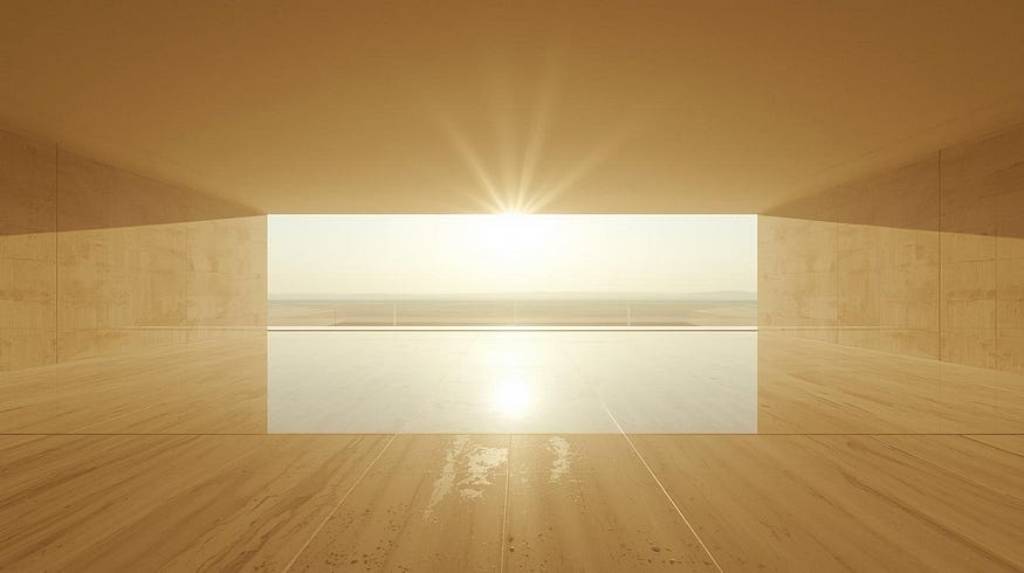
There is a moment in every life when leaving home stops being temporary and becomes real. Suitcases close, rooms are emptied, and familiar routines dissolve into distance. The physical separation is visible and immediate, yet the bigger change unfolds slowly. What we call “home” does not disappear when we walk away from it. Instead, something quieter begins to travel with us.
At first, the absence feels practical rather than emotional. New streets must be learned, new rooms must be arranged, and unfamiliar silence must be understood. Attention stays focused on adjustment. Only later, often unexpectedly, does memory begin to surface. A certain quality of morning light. The sound of footsteps in a corridor. The way a window once framed the sky at a particular hour. These details return without invitation, carrying a calm familiarity that distance cannot erase.
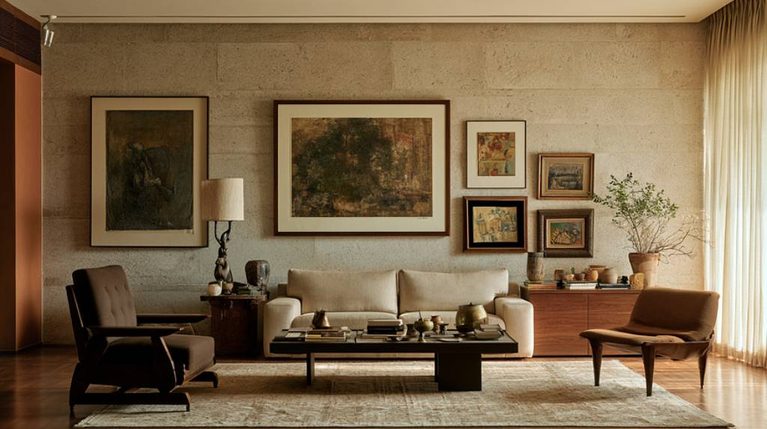
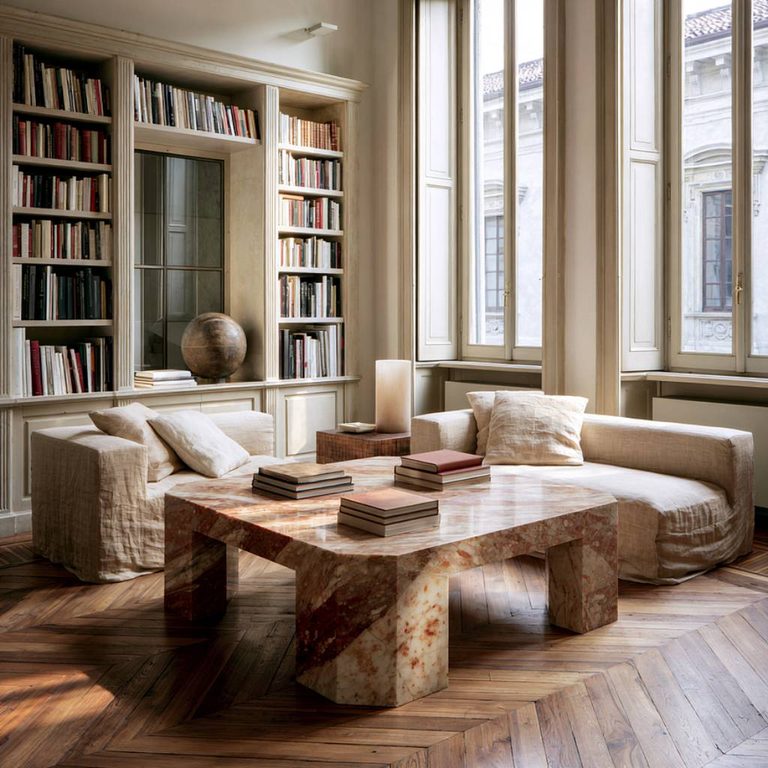
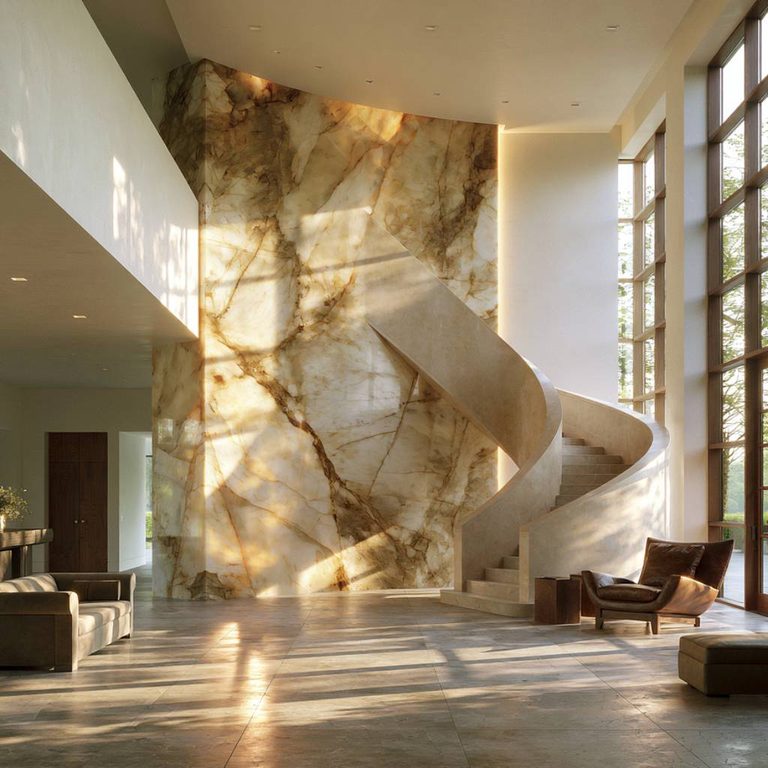
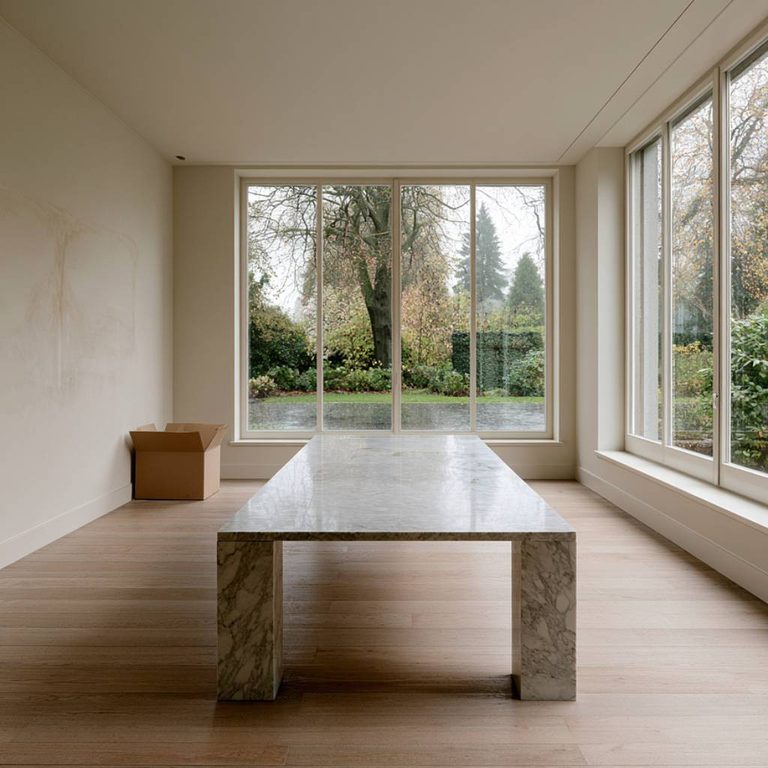
This is when we begin to understand that a home is never only architecture. Walls, materials, and scale create shelter, but memory creates permanence. The spaces that shape us continue to exist internally, long after we no longer inhabit them physically. In thoughtfully made homes, especially those designed with quiet care and emotional intelligence, this internal presence becomes even stronger. Such spaces are not remembered only for how they looked, but for how they allowed life to unfold within them.
Certain corners remain especially vivid. A place where conversations repeated across years. A threshold crossed daily without notice. A room that held both celebration and stillness at different times. These locations rarely seemed extraordinary while we lived among them. Their importance becomes visible only through distance. Memory gives meaning to what routine once concealed.
Leaving also changes our understanding of luxury. When we are inside a home, comfort often feels natural and expected. Once we move away, we recognize how rare true emotional ease actually is. The measure of a meaningful home is not grandeur or decoration, but the quiet stability it offered, the sense of belonging that required no explanation. Distance clarifies value in a way that presence never could.
Over time, the relationship between past and present softens. We stop comparing new spaces to the old ones. Instead, we begin to notice how the earlier home quietly shaped the way we experience every place that follows. Light is judged differently. Silence feels either gentle or unfamiliar. Even the arrangement of objects carries a subconscious reference to what once felt right. The original home becomes an invisible architecture within us, guiding perception without announcing itself.
There is tenderness in this realisation. It reminds us that nothing meaningful is completely lost. Physical rooms may belong to another time, another family, or another version of life, yet the emotional structure they created continues to exist. Memory preserves what ownership cannot. In this way, leaving home is not only an ending. It is also a form of carrying forward.
Years later, the return, whether physical or only in thought, feels different from departure. We no longer stand inside the same life, yet the space recognizes us through memory. Familiarity appears instantly, even if details have changed. What we feel in that moment is not simply nostalgia, but continuity. Proof that certain places remain part of us regardless of distance.
This is the quiet truth hidden inside every departure. Homes do not stay behind as completely as we imagine. The most important parts travel inward, becoming reference points for comfort, belonging, and emotional safety across the rest of life.
We leave the house.
But the feeling of home, in its most enduring form, never truly leaves us.