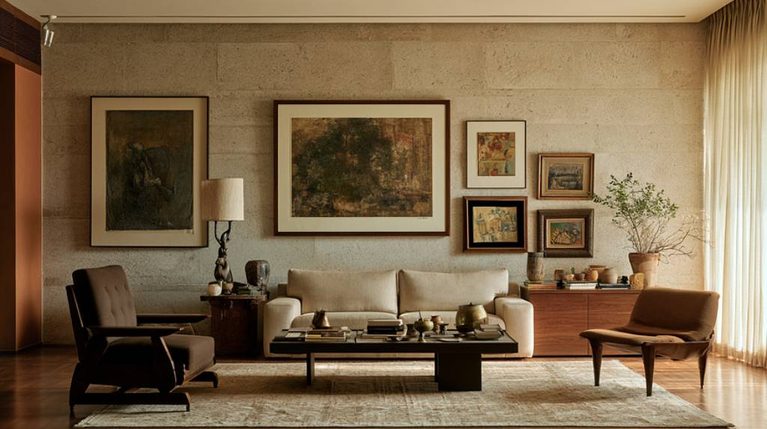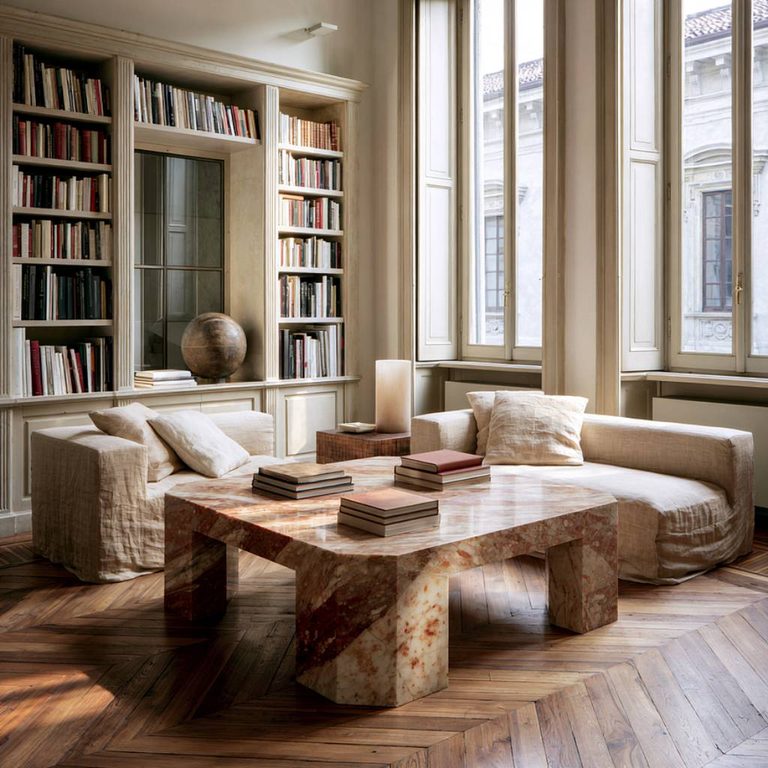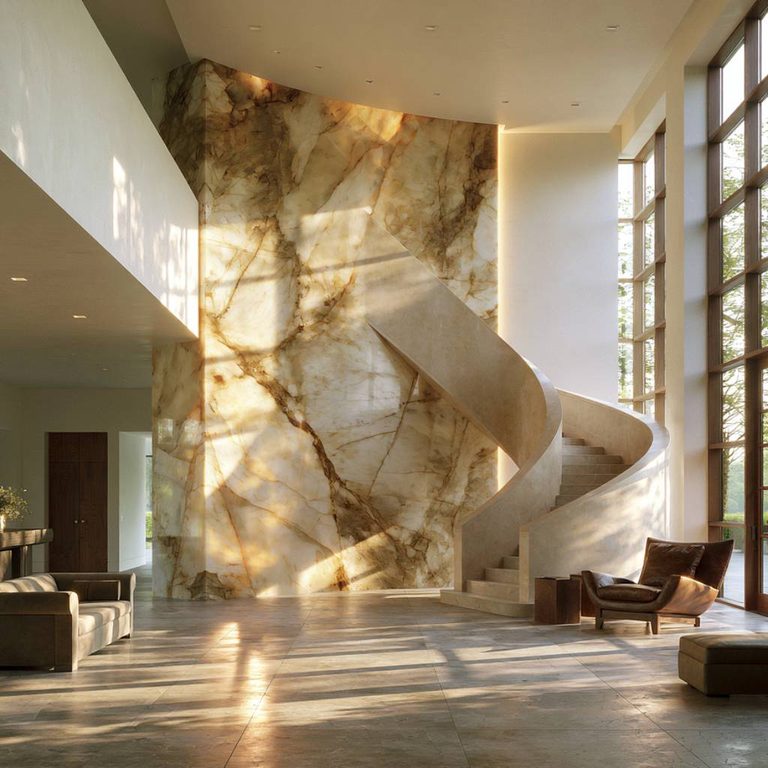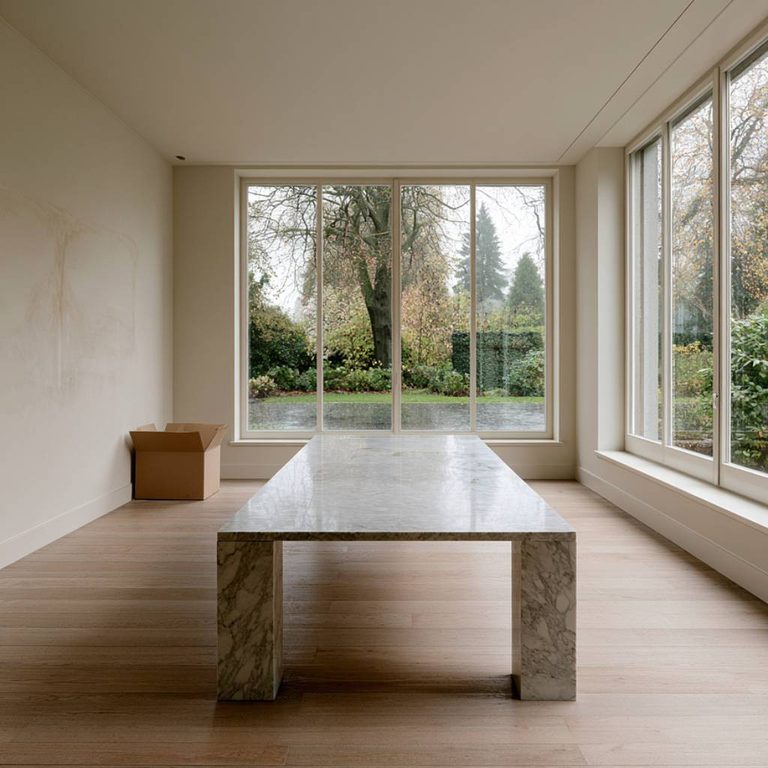
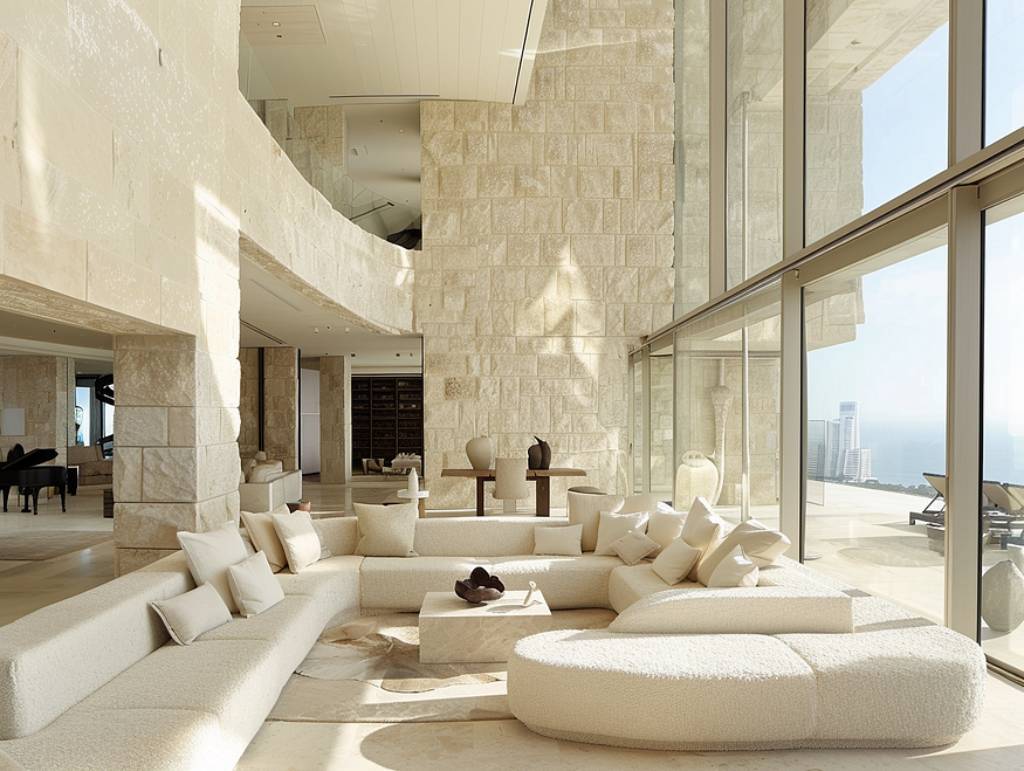
Every home, no matter how expansive, contains a corner that quietly claims authority.
It is rarely the grandest space. It is not always the one aligned with the most dramatic view. It may sit slightly away from the main axis of circulation, partially framed by a column, softened by filtered light. And yet, when guests enter, when children return from school, when family members move instinctively through the house, they gather there.
They do not plan to. They simply do.
In the homes I design for families whose properties span continents, I observe this phenomenon repeatedly. Despite multiple seating areas, curated lounges, and formally articulated spaces, there is always one spot that absorbs presence. It becomes the default for morning coffee, for quiet reading, for late-night conversation. It is where phones are set aside without instruction. It is where people stay longer than intended.
Architecture does not command this behaviour. It invites it.
What makes a corner magnetic is not decoration. It is grounding. Certain proportions create psychological reassurance. A ceiling that lowers slightly compared to the surrounding volume introduces intimacy. A wall that wraps gently around seating offers subtle enclosure. A window positioned to admit light without glare produces calm. And beneath it all, material plays a decisive role.
Dense surfaces hold space differently than lightweight ones. A solid stone plinth beneath a window seat carries a sense of permanence. A mineral floor that remains steady in temperature encourages stillness. When the body senses weight and stability around it, the nervous system relaxes.
We gravitate toward grounded environments instinctively.
I once designed a residence where the living area opened into a double-height gallery with expansive glass facing the sea. It was architecturally spectacular. Yet during visits months later, I noticed the family consistently gathered in a smaller corner adjacent to the main space. It was framed by a limestone wall and anchored by a low stone bench softened with cushions. Light filtered indirectly through a narrow clerestory window. The temperature there felt slightly cooler. The acoustics were gentler.
When I asked the client about it, she smiled. “It feels safer,” she said. “Even though there’s nothing unsafe about the rest of the house.”
Safety in this context was not about security. It was about grounding.
Luxury homes often celebrate openness; panoramic glazing, expansive volumes, fluid continuity. These gestures create drama and freedom. But human instinct also seeks enclosure. We are drawn to places that subtly cradle us, that give our backs protection and our gaze direction. It is ancient psychology woven into contemporary design.
Material reinforces this instinct. Natural stone, for example, carries visual and tactile depth that stabilizes a space. It absorbs light rather than reflecting it harshly. It anchors furniture compositions. It communicates that the room will not shift or disappear.
When people sit in such corners, conversations deepen without conscious effort. Time dilates slightly. The body leans back rather than forward. There is less fidgeting, more listening. Children curl into these spaces with books. Adults return to them at the end of long days, not out of habit alone, but because something about the atmosphere feels aligned with rest.
Habit is born from instinct repeated.
Over years, the corner becomes ritualized. It is where holiday mornings begin. Where difficult conversations unfold more gently. Where grandparents sit while younger generations orbit around them. The architecture does not change, but its emotional charge intensifies through repetition.
In ultra-luxury residences, it is easy to assume that comfort comes from abundance, from larger rooms, more seating options, expansive scale. Yet intimacy is not proportional to square footage. It is proportional to balance. The most successful homes understand how to create contrast within scale. They provide expansiveness, yes, but also refuge.
A corner that draws people in is often composed with restraint. Its palette may be neutral. Its textures layered but not loud. Its geometry clear. The floor beneath it firm and cool. The wall beside it substantial enough to lean against without hesitation. Light enters softly, not theatrically.
These elements communicate subconsciously. They tell the body: you can stay.
The psychology of grounding is subtle but powerful. Environments with visible weight like thick walls, solid surfaces, mineral depth reduce perceptual instability. They quiet the visual noise that accelerates thought. In homes designed for individuals whose professional lives are filled with volatility and high-stakes decisions, this grounding becomes invaluable.
The corner becomes sanctuary within sanctuary.
Years later, when families reflect on their home, they rarely speak first about the view or the height of the ceiling. They speak about “that spot.” The place where they always end up. The chair that never feels empty for long. The bench that gathers children and guests without instruction.
Architecture succeeds most completely when it shapes instinct without announcing itself.
In the end, luxury is not about orchestrating where people should gather. It is about understanding where they will. It is about creating spaces that feel anchored enough to hold presence, gentle enough to invite pause, and steady enough to support habit.
Every home has a corner like this.
And in the quiet repetition of bodies returning to it day after day, year after year, architecture reveals its most human achievement.