There is a moment in the life of every home when perfection quietly gives way to memory.
It may be small like a faint scratch along the edge of a dining table, a softened corner of a stone step, a subtle stain where a glass once stood too long during a long conversation. At first, the instinct is to correct it. To polish, to repair, to restore the surface to its original clarity. Luxury, after all, is often associated with flawlessness.
And yet, in the most meaningful homes I have designed, there comes a point when a mark is left untouched.
Not out of negligence, but out of affection.
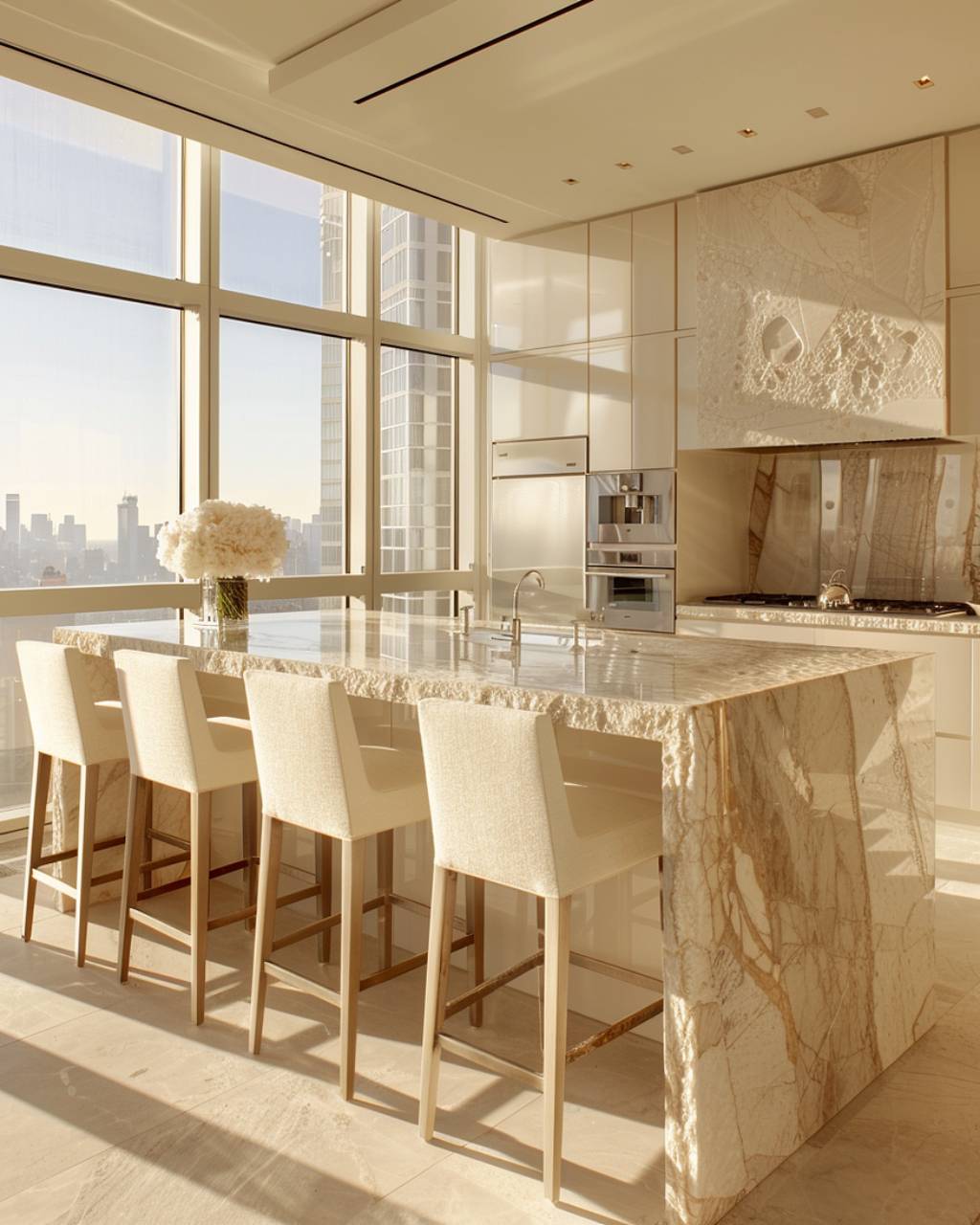
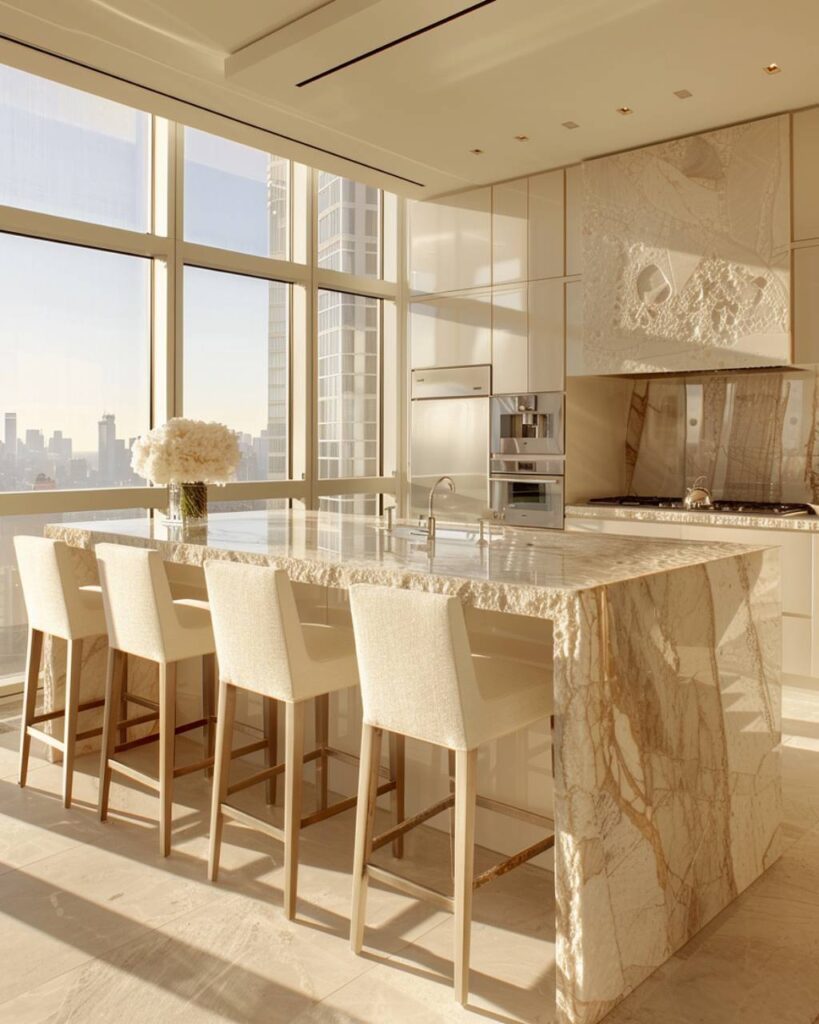
I remember a residence completed for a family whose lives moved with precision. The materials were selected with care, installed with discipline, and finished to exacting standards. Every surface carried intention. Months after occupation, I returned for a routine visit and noticed a small chip along the edge of a substantial stone island in the kitchen. It was minor, almost invisible unless you knew where to look.
I mentioned it gently, assuming it would be repaired immediately.
The homeowner smiled and said, “That happened the night our daughter announced she was leaving for university. Someone set a glass down harder than usual.”
The mark remained.
In that moment, the surface had transformed from object to archive.
Luxury homes often begin as controlled environments. Lines are sharp. Edges are precise. Surfaces are immaculate. But life resists control. Children lean too far back in chairs. Guests gesture emphatically during debate. Celebrations spill. Arguments leave impressions. The house absorbs it all.
What interests me most is the decision not to erase these traces.
There is a difference between damage and patina. Damage weakens structure. Patina strengthens belonging. It is the visible record of repetition, of presence, of use. A polished floor that has softened along habitual paths tells a story of movement. A dining table bearing faint scratches carries evidence of evenings that mattered.
In homes built for individuals accustomed to commanding environments like boardrooms, aircraft cabins, executive suites, the private residence often becomes the only place where imperfection is allowed to exist honestly. A scratch that remains unrepaired becomes a declaration: this house is lived in, not staged.
Material plays a decisive role in this transformation. Certain surfaces age with grace. They do not fracture under memory; they deepen. Natural materials, in particular, respond to time by revealing complexity. Their tones shift subtly. Their edges soften imperceptibly. They do not collapse under contact. They evolve.
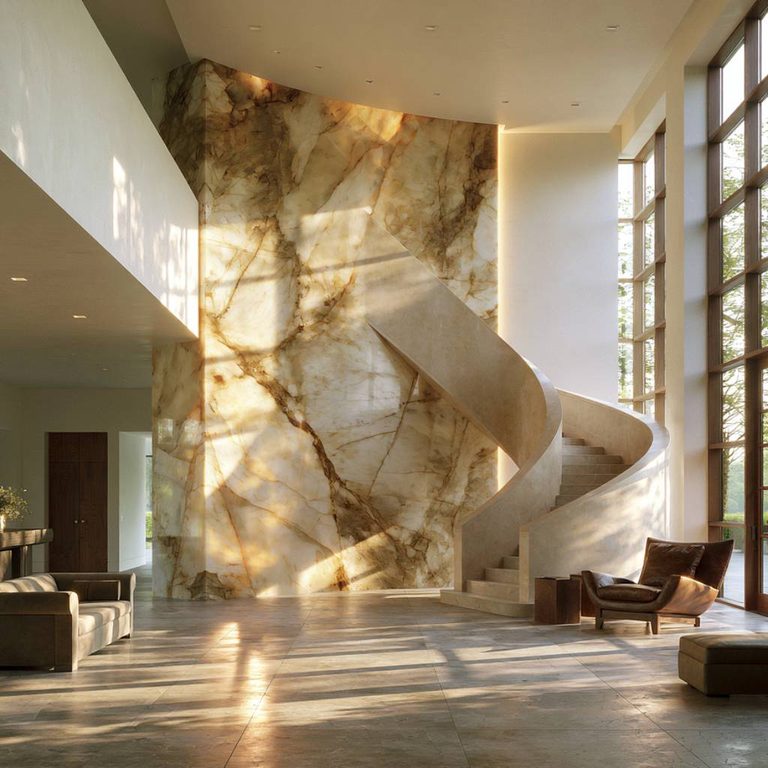
I once worked on a family estate where the main stair was clad in pale mineral slabs. In the early years, the surface felt almost ceremonial. Cool, smooth, untouched. A decade later, the central tread bore the faintest variation where countless footsteps had passed. It was not erosion in the destructive sense. It was polishing through presence.
When I suggested a potential refinishing during a later consultation, the client declined without hesitation. “That’s where everyone runs down on Christmas morning,” she said.
Architecture becomes meaningful when it carries memory.
The obsession with maintaining pristine perfection often comes from insecurity, a fear that visible wear diminishes value. In reality, the opposite is true. A surface that has endured laughter, disagreement, growth, and return becomes irreplaceable. Its value is no longer tied solely to rarity or cost. It is tied to history.
In ultra-luxury homes, where materials are chosen not only for appearance but for endurance, aging becomes a collaborator rather than an adversary. The house does not deteriorate; it settles into itself. It acquires warmth. It develops nuance.
There is something deeply human about this shift. We do not remain untouched by time. Neither should the spaces we inhabit most intimately. A home that insists on remaining frozen in its first-day perfection can feel museum-like. Beautiful, perhaps, but slightly distant.
A home that accepts its marks feels alive.
The mark that was never repaired becomes a quiet monument to a moment that altered direction. It is touched occasionally in passing. It is remembered in conversation. It becomes shorthand for a story retold across years.
I have learned to design with this inevitability in mind. Not to anticipate damage, but to anticipate living. To select materials that can absorb the friction of family life without losing dignity. To allow edges that can soften rather than splinter. To create surfaces that invite touch without fear.
Because in the end, the true measure of a luxury home is not how perfectly it preserves itself. It is how generously it accommodates life.
Years later, when families speak about their homes, they rarely reference the flawless installation. They reference the dent from the celebration, the scratch from the move, the stain from the night of difficult news. These marks become coordinates in their personal history.
Perfection is impressive.
Patina is intimate.
And sometimes, the smallest imperfection, left exactly as it is, becomes the most cherished part of the house.