Morning Light on the Same Surface, Twenty Years Later
There is a particular kind of luxury that does not announce itself on the day a house is completed. It reveals itself slowly, almost imperceptibly, over decades. It appears in repetition, in the way morning light falls across the same surface year after year, while everything else changes.
When I design homes for families who think generationally, I often ask them to imagine a moment twenty years ahead. The architecture will remain largely as it is. The proportions will hold. The materials will endure. But the people inside the house will not be the same. Children will have grown taller. Voices will deepen. Footsteps will change pace. And yet, the light will arrive exactly as it did before.
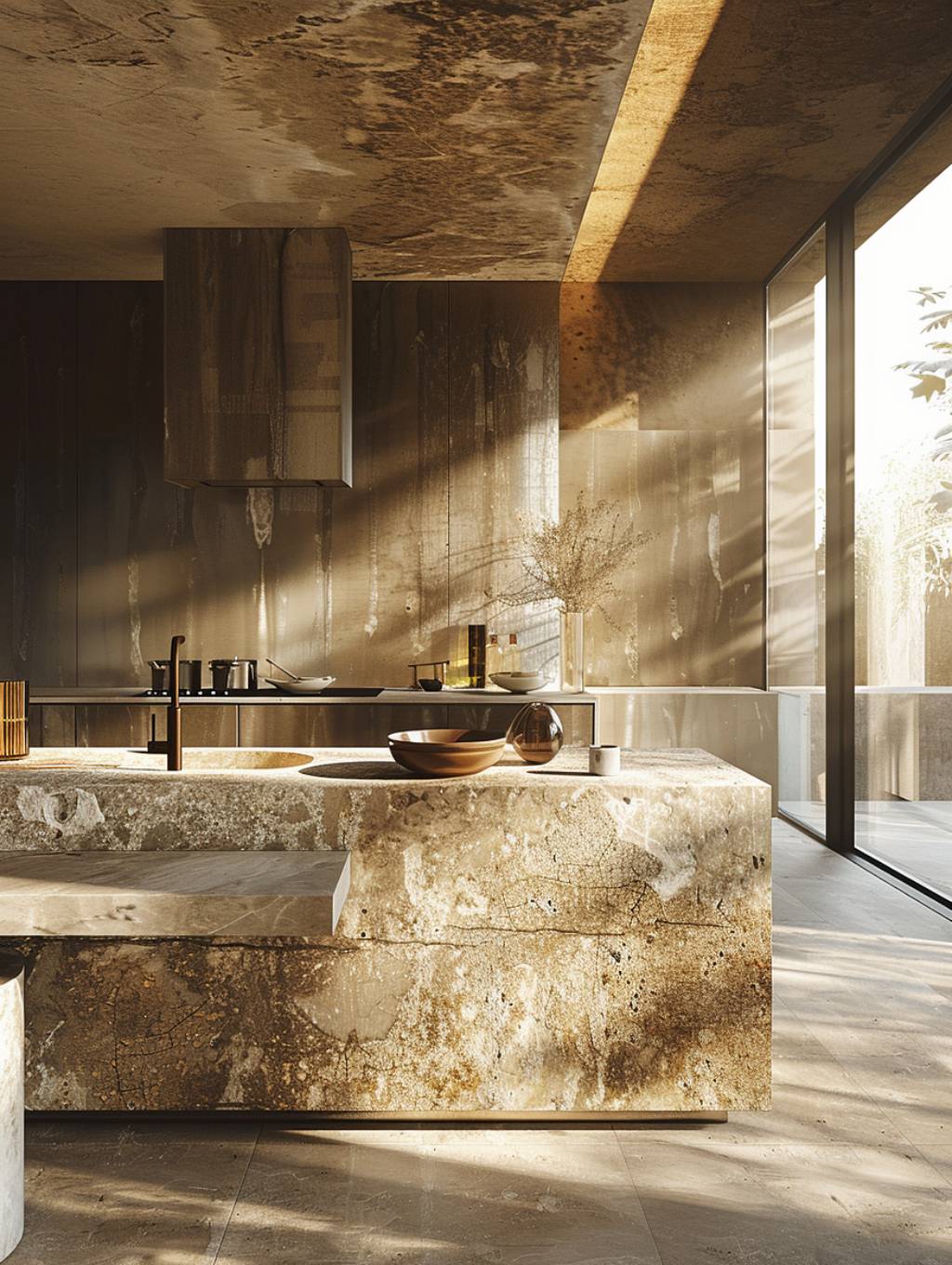
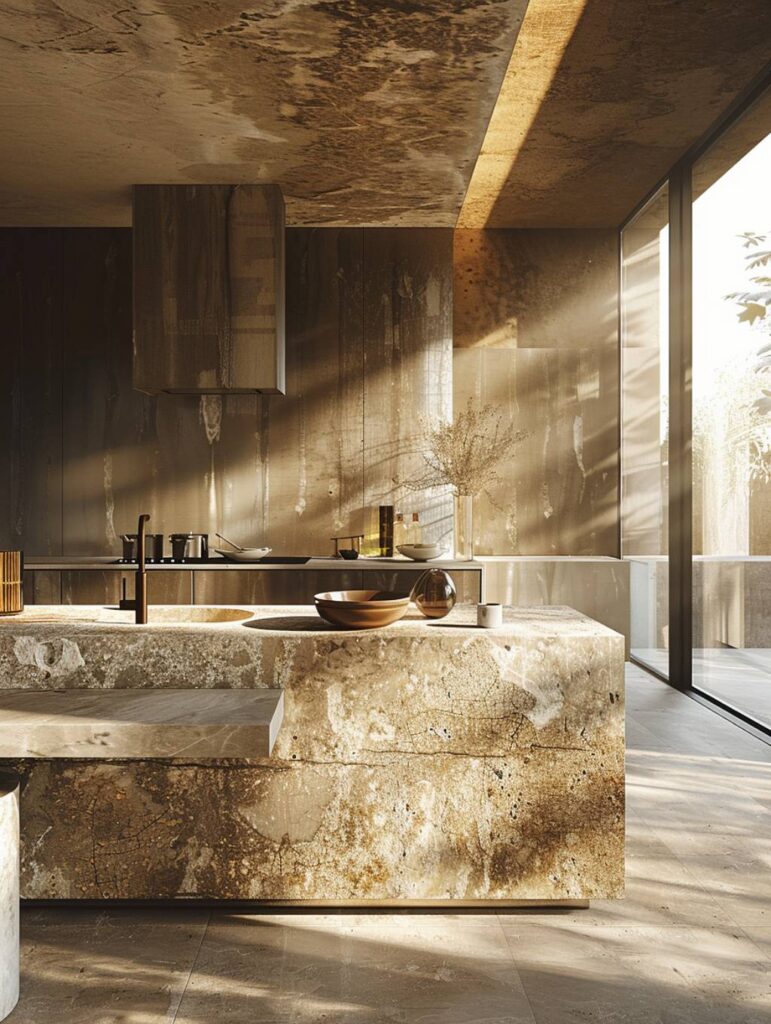
In one residence I completed more than two decades ago, the kitchen island sits directly beneath an east-facing aperture. Every morning, the first light of day stretches across its surface in a long, quiet band. I remember standing there with the clients during construction, describing how the light would move seasonally and how in winter it would travel more deeply into the space, and in summer it would skim lightly across the edge.
Years later, I returned. The children who once sat at that island with unfinished homework were now adults visiting from different cities. The family dynamics had evolved. Conversations carried different themes. But the light, the light behaved exactly as it had been designed to.
It touched the same surface with the same patience.
There is something profoundly stabilizing about that continuity. In a world that accelerates relentlessly, where technologies update annually and aesthetics shift with every season, a surface that remains steady beneath shifting light becomes an anchor.
Material plays a decisive role in this experience. Certain materials tolerate time without protest. They do not look outdated when trends change. They do not weaken when touched repeatedly. They absorb morning light differently as years pass, developing a subtle depth that new surfaces cannot replicate.
The island in that home did not remain untouched. It carried faint traces of living like softened edges where hands had rested, slight tonal variation where sunlight lingered daily. But these were not signs of decay. They were signs of duration.
What moved me most during that visit was not the architecture itself, but the choreography of memory within it. The client stood in the same position he had twenty years earlier, coffee in hand, watching light gather across the stone. “Everything else has changed,” he said. “But this feels the same.”
That sameness is not stagnation. It is reassurance.
Architecture, at its best, creates constants within flux. The angle of light at dawn. The weight of a stair beneath the foot. The coolness of a surface before the house fully warms. These experiences repeat across decades, even as the life surrounding them transforms.
Children who once ran across the floor in bare feet eventually walk more slowly. The echoes in hallways soften. Bedrooms that were once chaotic become orderly. Yet the material beneath these transitions does not panic. It does not need renovation to remain relevant. It grows quieter, richer, more assured.
This is where longevity becomes emotional rather than technical.
We often discuss durability in terms of resistance: resistance to wear, to moisture, to impact. But emotional durability is something else. It is the ability of a material to remain dignified as time accumulates around it. To look appropriate in year one and equally appropriate in year twenty.
In ultra-luxury homes, there is sometimes an unspoken anxiety about aging. A concern that surfaces must remain immaculate to maintain status. Yet the most confident residences are those that accept the passage of time without cosmetic urgency. They allow light to reveal subtle change. They allow memory to settle into the material.
Morning light is a remarkable test of authenticity. It is unforgiving. It exposes texture, reveals depth, highlights imperfection. When a surface continues to welcome that light gracefully decades later, it proves something profound about its selection.
I have come to believe that true luxury is not about the first morning after completion. It is about the seven thousandth morning, when light still arrives, when the material still holds, when the house feels neither tired nor theatrical.
There is poetry in that repetition.
The surface does not know that children have left and returned. It does not register career shifts or generational transitions. It simply receives light again and again, each dawn an echo of the last.
And in that echo, there is comfort.
Twenty years later, the family may stand differently around the island. The conversations may carry different weight. But when the light stretches across the same plane, it binds past and present without effort.
Architecture cannot prevent change. It cannot freeze life in place. But it can create constants that make change less disorienting. It can offer surfaces that remain calm beneath evolving stories.
Morning light on the same surface, twenty years later, is not dramatic. It is quiet. It is continuity made visible.
And in the finest homes, that continuity becomes the most valuable luxury of all.