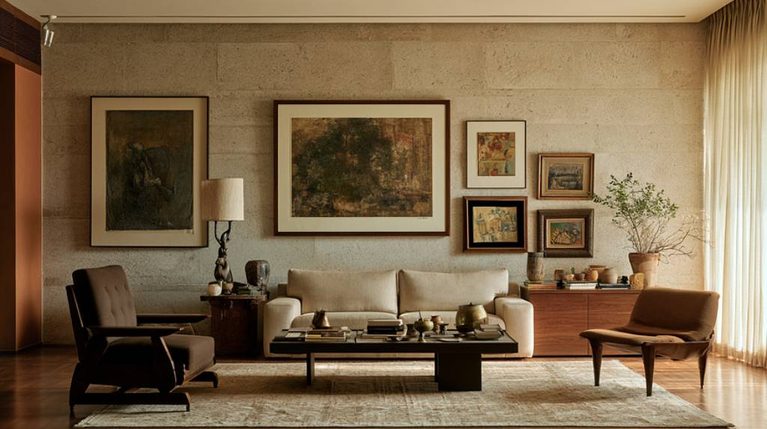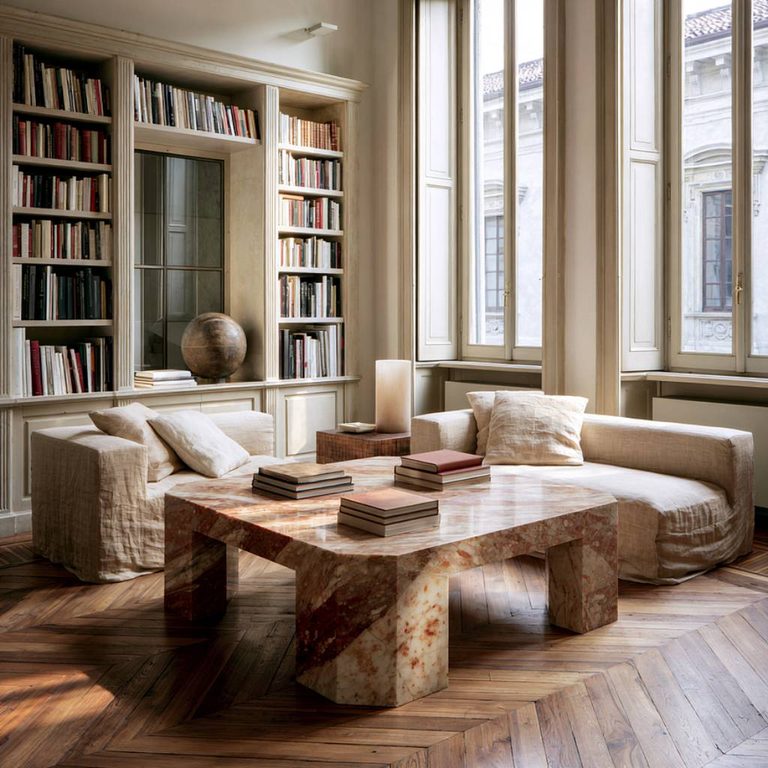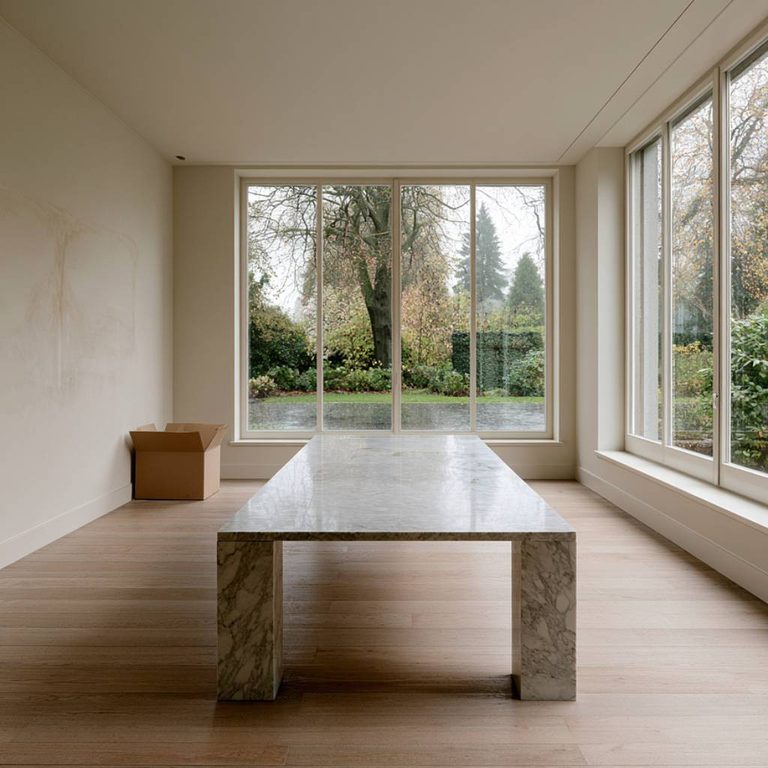
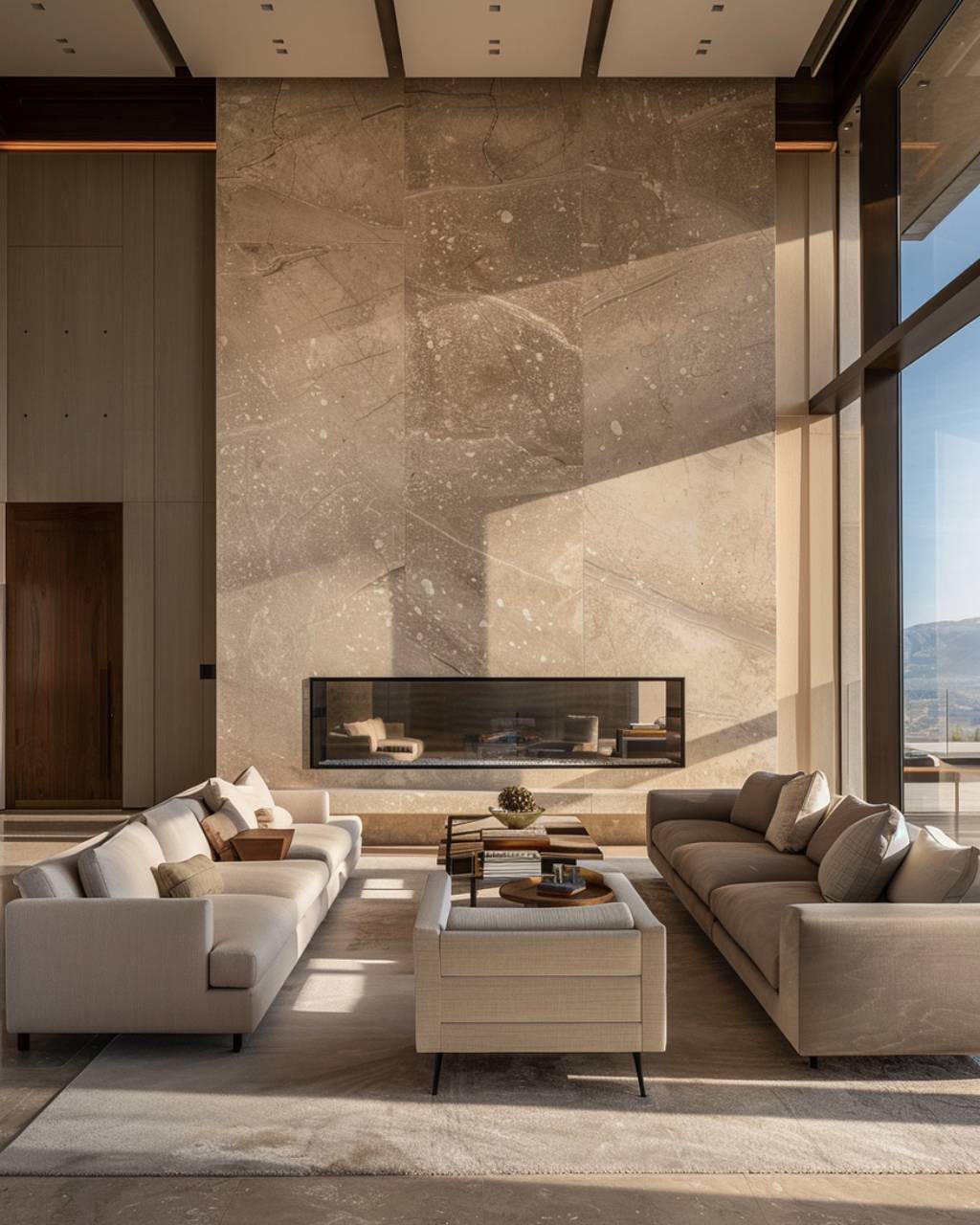
Over the years, almost everything in a home change.
Sofas are replaced as tastes evolve. Curtains are updated to match new seasons of life. Walls are repainted when children grow older or when design languages shift. Light fixtures are refined. Art is rotated. Technology is upgraded and hidden again. Even entire rooms are occasionally reimagined to accommodate new rhythms.
And yet, in the finest homes, there are certain surfaces that remain untouched.
They do not demand renewal. They do not feel outdated. They do not compete with trend. They stay.
I have revisited residences decades after completion and found that while furniture had shifted and decorative layers had matured, the foundational materials remained exactly where they were first placed. Floors that carried footsteps for years. Walls that absorbed quiet conversations. Countertops that witnessed daily rituals without protest.
These surfaces did not resist time. They carried it.
In one particular home, completed nearly twenty-five years ago, the family had renovated twice. Upholstery had been replaced. The kitchen cabinetry refreshed. Lighting modernized. Yet the original stone floors extended through the entire main level, uninterrupted.
When I asked why they had chosen to keep them during renovation, the owner answered simply: “Everything happened on these floors.”
Birthdays. Arguments. Quiet mornings. Late-night returns. Celebrations that spilled into hallways. Moments of stillness when decisions were made that changed the direction of the family’s future.
The surface had absorbed the weight of those years without fracturing under them.
What fascinates me most about enduring materials is not just their durability, but their composure. They do not age anxiously. They deepen. Their tone softens subtly. Their edges grow gentler. They do not appear tired; they appear settled.
Furniture can be replaced without consequence. Paint can shift color without altering memory. But foundational surfaces like floors, stairs, walls, become the physical archive of a family’s life.
They hold what stayed.
In ultra-luxury environments, there is often an unspoken pressure to refresh constantly. To align with new aesthetics. To signal relevance. Yet the most confident homes resist this cycle. They understand that permanence is not stagnation. It is strength.
There is emotional power in walking across the same surface you walked across twenty years earlier. The body remembers it even if the mind does not consciously register the memory. The temperature beneath the foot. The subtle sound of movement. The texture beneath the hand.
These sensations create continuity across change.
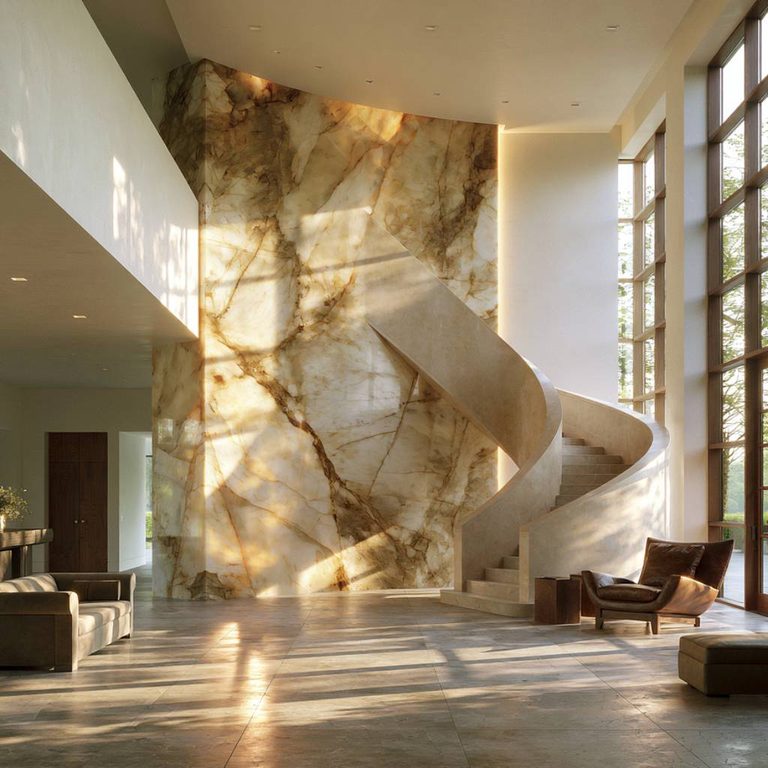
I once stood in a foyer of a residence that had undergone extensive renovation. The art had changed. The lighting was contemporary. The furnishings entirely different. But the monumental limestone walls that framed the entrance remained.
The owner paused and ran his hand lightly across the surface. “This,” he said, “is the house.”
He did not point to the furniture. He did not reference the renovation. He referenced the material that had never left.
Certain surfaces transcend style because they operate on a different timeline. They do not belong to a season. They belong to structure. They form the backbone of atmosphere. They stabilize the shifting layers placed upon them.
In homes built for generational continuity, this distinction matters profoundly. A surface that remains untouched through decades of aesthetic change becomes something more than material. It becomes witness.
And witness is powerful.
Witness carries birthdays and funerals, triumphs and uncertainties. Witness holds the weight of silence after gatherings and the echo of footsteps long after children move away.
When everything else evolves, the surfaces that stayed create emotional gravity. They remind the family that while life may accelerate, something in their environment remains anchored.
This is not about resisting progress. Renovation can be beautiful. Renewal can be necessary. But true luxury does not require erasing what has endured. It allows enduring elements to anchor the new.
Over time, these surfaces become less about appearance and more about meaning. They stop being admired as design choices and begin being trusted as constants.
In the end, the value of a home is not measured by how often it is updated.
It is measured by what remains.
The surfaces that stayed are the quiet keepers of memory. They carry every step, every pause, every turning point without demanding attention.
They do not announce their endurance. They simply hold it.