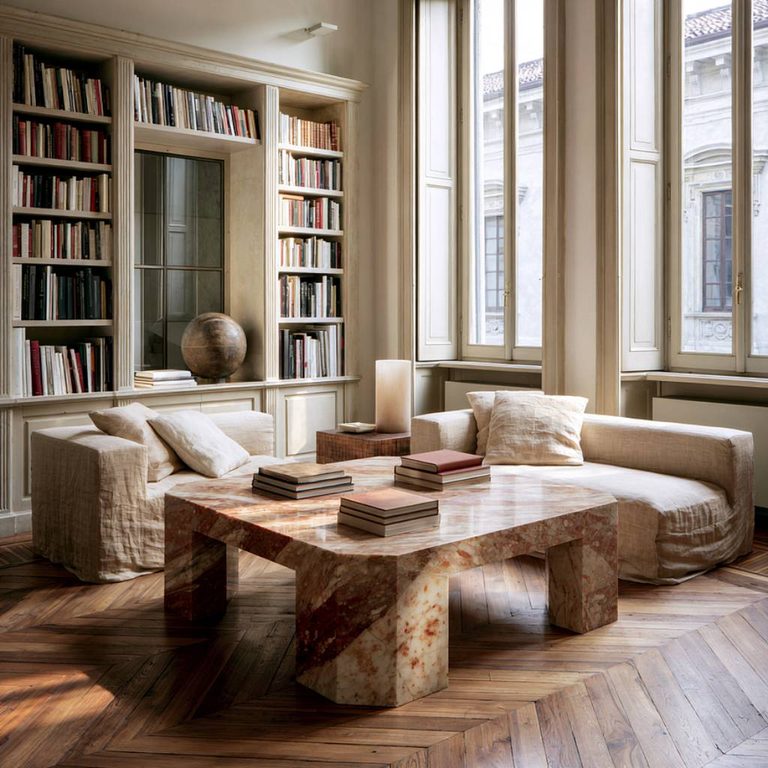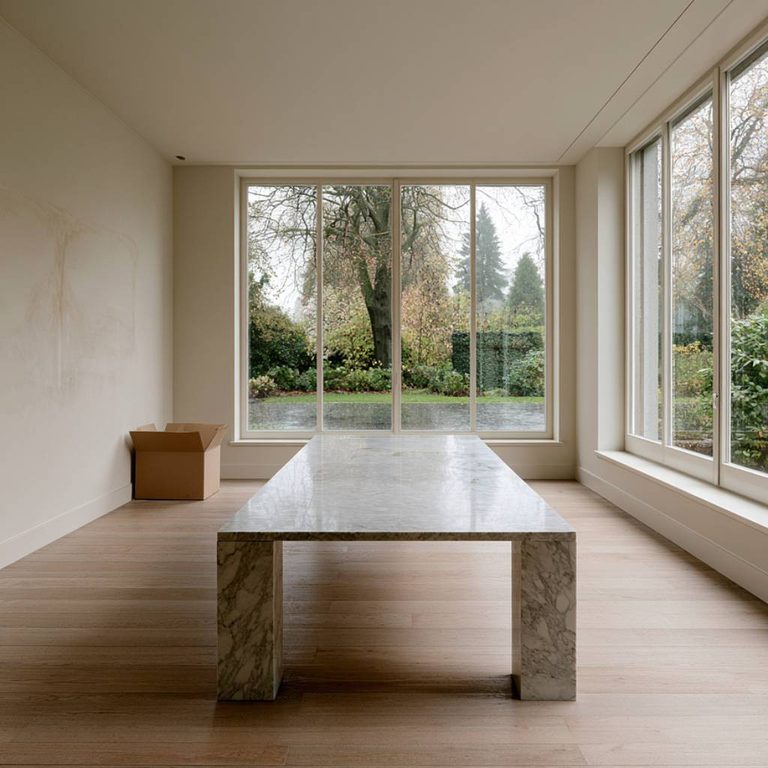

It happened in less than a second. A cup of coffee resting near the edge of the breakfast table tipped ever so slightly, sending a dark stream across the polished marble. The laughter stopped. Someone instinctively reached for a napkin while another froze, watching the liquid spread across the stone as though time itself had slowed. The silence that followed was not caused by the spill itself. It came from something far more familiar, the fear that something beautiful had been permanently damaged. In homes where every surface has been chosen with extraordinary care, accidents often feel larger than they truly are. A single spill can momentarily transform a relaxed breakfast into a room filled with hesitation. Yet the most valuable lesson that morning had nothing to do with marble, coffee or cleaning. It was about the difference between protecting a home and being afraid to live in it.
Luxury has quietly developed an unfortunate paradox. The more exceptional a residence becomes, the more cautiously people begin to move through it. Children are reminded to be careful before they have even started playing. Guests hesitate before placing a glass on a beautifully crafted table. Family members apologise when they accidentally leave fingerprints on polished stone or water droplets near a basin. Slowly, without anyone intending it, the home begins to feel less like a place to live and more like something that must constantly be preserved. Architecture, which was originally created to support everyday life, starts dictating it instead. The rooms remain beautiful, but they gradually become quieter for the wrong reasons.
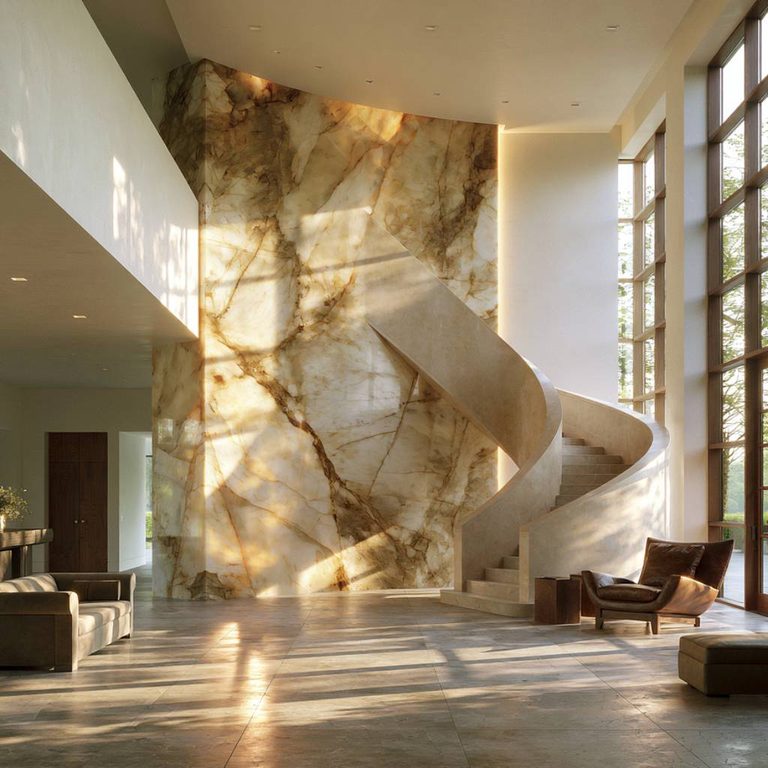
The irony is that the finest materials in the world were never intended to create anxiety. Natural stone, perhaps more than any other material, teaches us this lesson with remarkable humility. Long before Carrara marble became a dining table or Calacatta transformed into an elegant kitchen island, these stones had already survived millions of years beneath mountains, oceans and immense geological pressure. Their existence is defined by endurance. They have witnessed the slow movement of continents and the passing of entire eras of the earth’s history. To believe that they cannot withstand the occasional coffee spill or family dinner is to misunderstand both the material and the purpose for which it was chosen.
This does not mean that natural stone requires no care. On the contrary, extraordinary materials deserve thoughtful stewardship. The difference lies in the emotion behind that care. Fear and care may appear similar from a distance, but they create entirely different homes. Fear reacts with panic. Care responds with confidence. A homeowner who understands that spills should simply be blotted promptly, that acidic substances should not be left sitting unnecessarily and that pH-neutral stone cleaners preserve natural finishes approaches the situation with calm rather than alarm. Knowledge replaces uncertainty. What could have become a stressful moment instead becomes another ordinary part of daily life.
There is something deeply reassuring about homes where these responses have become second nature. A neatly folded microfiber cloth tucked inside a kitchen drawer, an elegant bottle of stone-safe cleaner stored discreetly beneath the sink and the quiet habit of wiping surfaces gently after meals are not restrictive routines. They are rituals of respect. They ask for only a few moments each day, yet they allow beautiful materials to accompany family life for decades. The architecture does not remain timeless because it is protected from living. It remains timeless because living takes place thoughtfully within it.
Professional stone restorers understand this better than almost anyone. Their first reaction to a stain is rarely one of urgency. Instead, they begin by asking simple questions. What was spilled? How long has it been there? Is the surface sealed? Is it polished or honed? Their calm reminds us that almost every mark has a story before it has a solution. Experience teaches them that panic rarely improves outcomes, while careful observation almost always does. This mindset is equally valuable for homeowners. The confidence to respond calmly is itself a form of luxury, one that transforms everyday accidents into manageable moments instead of lasting anxieties.
Perhaps the real purpose of aftercare is not to preserve materials but to preserve peace. A home should never make its owners feel nervous about inviting friends for dinner, celebrating birthdays or allowing children to help prepare breakfast. The finest residences are not remembered because every surface remained untouched. They are remembered because they became the setting for ordinary moments that slowly grew into lifelong memories. The dining table where grandparents gathered every Sunday, the kitchen island where children baked their first cake, the marble countertop that held countless cups of morning coffee, these places become meaningful precisely because they were lived in without hesitation.
Architecture reaches its highest purpose when it quietly disappears into everyday life. A beautifully detailed room should never ask to become the centre of attention. Instead, it should create the confidence that allows conversations to continue, celebrations to unfold and routines to repeat naturally without interruption. Caring for natural stone, timber and handcrafted materials is therefore not an exercise in protecting perfection. It is an expression of gratitude towards the people whose craftsmanship created them and the family whose memories will continue to shape them.
The coffee stain disappeared within moments that morning, leaving the marble exactly as it had been before. What remained was something far more valuable than an unmarked surface. The family returned to their breakfast, the conversation resumed and the room slowly filled once again with the warmth it had held before the accident. In that ordinary moment, the house quietly reminded everyone that beauty is not measured by the absence of mistakes, but by the confidence to keep living after they happen.
The most beautiful homes are never the ones where nothing is ever spilled, they are the ones where love always arrives before fear.