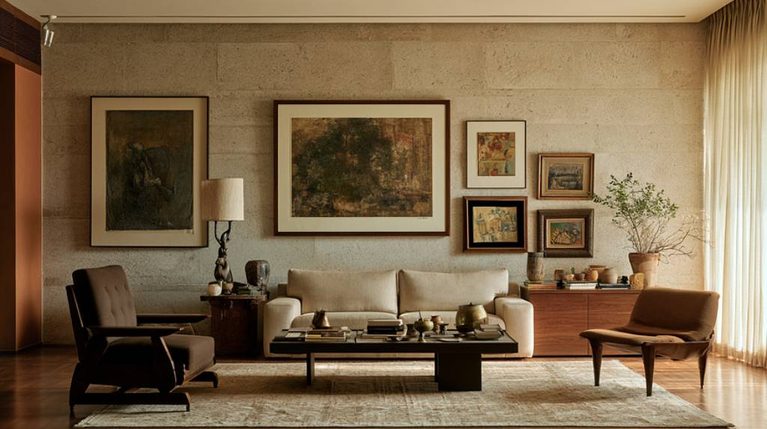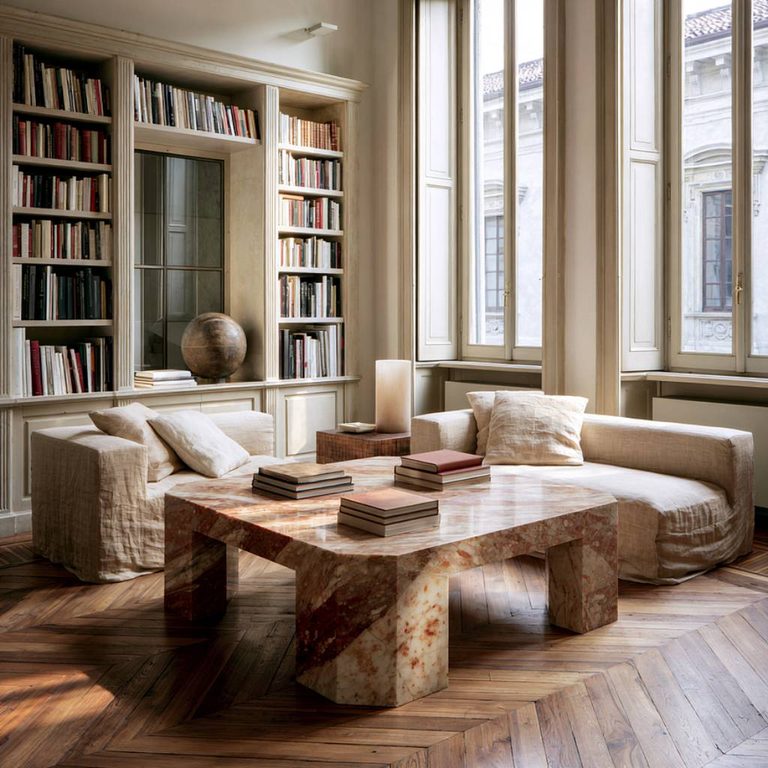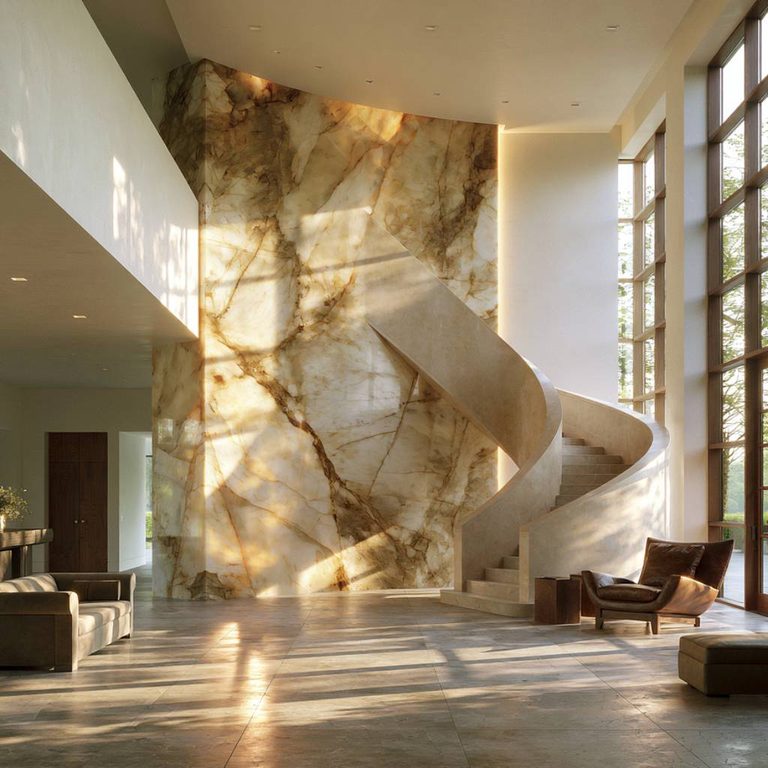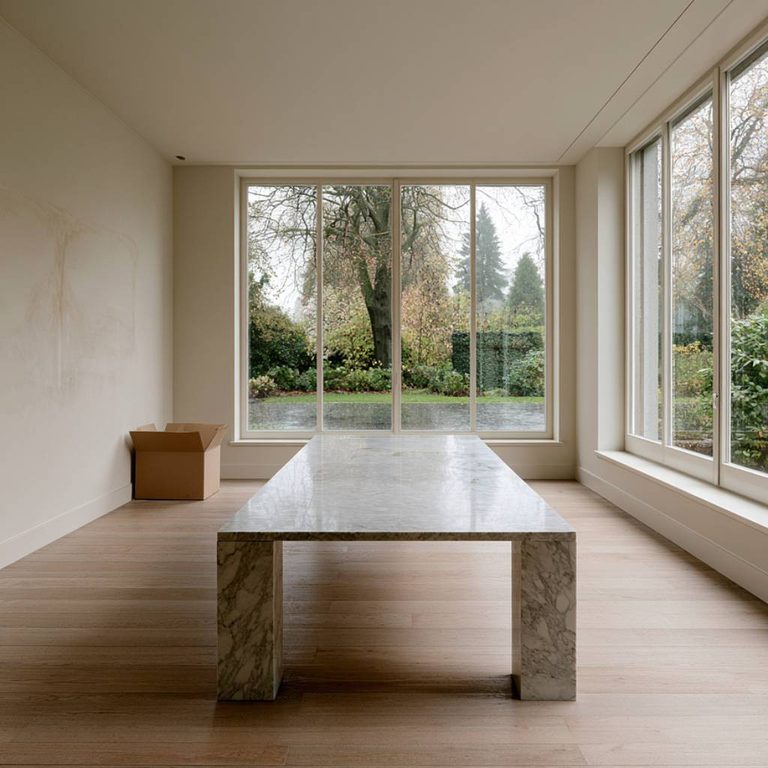

The first rain rarely announces itself through sound. It arrives as light. The bright certainty of summer slowly dissolves into softer shadows, the sky lowers almost imperceptibly and every surface inside the home begins responding before the first drop touches the ground. Marble that reflected sharp morning sunlight only yesterday now carries a muted glow. Timber deepens in colour as humidity settles into the air. Bronze softens. Linen appears quieter. Even silence changes. The house has not moved, yet it somehow feels different. Weather has entered the architecture long before it has crossed the threshold.
We often think of homes as permanent while seasons remain temporary, but living inside a thoughtfully designed residence reveals the opposite. A home is never static. It is constantly rewritten by the changing character of light, air and time. Every season becomes an unseen collaborator, quietly altering how materials are experienced without changing the materials themselves. Nowhere is this transformation more poetic than during the monsoon, when architecture begins responding less to sunlight and more to atmosphere.
Monsoon light possesses a gentleness that no artificial lighting can imitate. Clouds become enormous diffusers, wrapping every room in a calm, even glow that removes harsh contrasts and slows the visual rhythm of a space. Corners that once appeared crisp become softer. Reflections lose their brilliance and gain depth instead. A polished slab of Carrara marble no longer shines brightly; it begins to resemble still water. The crystalline layers inside Amazonite reveal subtler tones that remain invisible during summer afternoons. Sodalite Blue appears almost oceanic beneath overcast skies, while Patagonia Quartzite develops a quiet luminosity that seems to come from within the stone itself rather than from the windows surrounding it.
These changes are never dramatic enough to attract immediate attention. They unfold gradually, inviting observation rather than admiration. Someone reading near a window notices that the pages require no direct sunlight because the room itself has become evenly illuminated. A cup of tea placed on a marble table leaves behind a gentle plume of warmth that feels more comforting than it did only weeks before. Fresh flowers remain vibrant for longer. Conversations linger because nobody feels hurried by the intensity of the afternoon. The architecture has not changed its appearance. It has simply adjusted its mood.
This is one of the quiet gifts of natural materials. Unlike synthetic finishes that often appear visually identical regardless of weather, marble, quartzite, limestone and timber remain deeply responsive to their surroundings. They absorb changing daylight, humidity and shadow with remarkable sensitivity. A honed limestone floor becomes visually softer beneath grey skies, while polished stone gathers reflections that shift with every passing cloud. Timber begins revealing warmer undertones as moisture settles gently into the atmosphere. These are not imperfections. They are reminders that the home remains connected to the world beyond its walls.
Architects often speak about orientation, daylight analysis and window placement in technical language, yet monsoon mornings reveal the emotional purpose behind these decisions. Large openings no longer exist merely to maximise sunlight. They become frames through which changing weather quietly enters the home. Rain tracing delicate lines across expansive glazing transforms windows into living paintings. Reflections drift slowly across polished floors. The sound of distant thunder softens every conversation without interrupting it. Weather becomes another layer of architecture, one that no drawing can fully predict.
There is also a remarkable slowing of time during the rainy season. Summer encourages movement. Monsoon encourages presence. People naturally gather near windows, linger over breakfast, read longer than intended or simply watch the changing sky without feeling the need to accomplish anything. Homes designed with generous natural materials seem to welcome this slower rhythm. Stone retains a comforting coolness beneath bare feet while wool throws and linen upholstery invite quiet afternoons that unfold without schedule. The house begins participating in the weather instead of merely protecting its occupants from it.
Perhaps this explains why certain homes become unforgettable. It is rarely because they looked extraordinary on a perfect sunny day. It is because they remained beautiful when the weather changed. Great architecture never competes with nature. It allows nature to complete it. The finest materials understand this instinctively. They do not resist rain, cloud or softened light. They reveal entirely different personalities because of them.
Photographers often describe overcast skies as ideal because clouds create balanced illumination without harsh shadows. Homeowners experience the same phenomenon emotionally. Rooms feel calmer. Surfaces become richer. Colours deepen rather than brighten. The absence of dramatic sunlight encourages closer observation. One begins noticing the subtle texture within marble, the grain of oak, the quiet reflection of a bronze handle or the gentle sheen across a limestone floor. Beauty becomes less spectacular and more intimate.
Luxury has long been associated with perfection, yet monsoon light teaches a different lesson. It reminds us that the finest homes are not those that only perform under ideal conditions. They are the ones that become more comforting as the world outside grows quieter. Rain, cloud and softened daylight reveal qualities that brilliant sunshine often conceals. They encourage us to slow our pace until we begin noticing details that were always present but never previously seen.
When evening finally arrives, the rain has often left the air cleaner than before. Reflections shimmer gently across stone surfaces, the scent of wet earth drifts through open windows and lamps begin replacing the fading daylight one room at a time. The home feels neither brighter nor darker. It simply feels more deeply inhabited. The architecture has quietly absorbed another season, adding it to the invisible collection of mornings, conversations and memories already held within its walls.
The monsoon never changes the house. It changes the way the house allows us to see it.
The most remarkable homes do not merely shelter us from the weather, they quietly teach us how beautiful each season can become when light is allowed to tell the story.