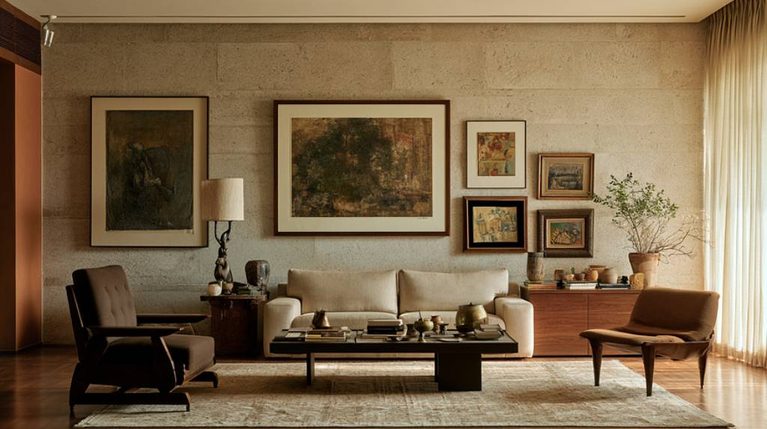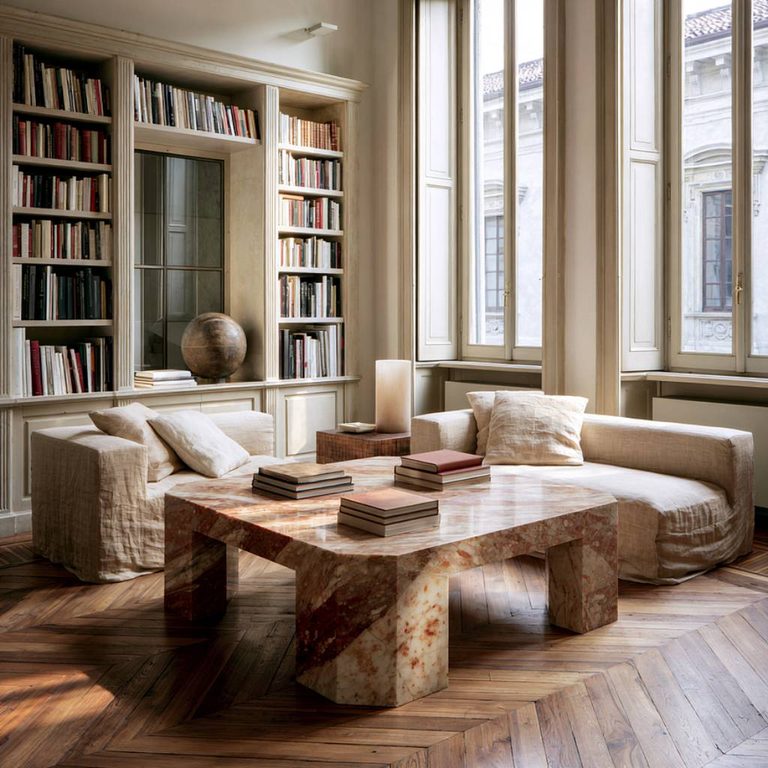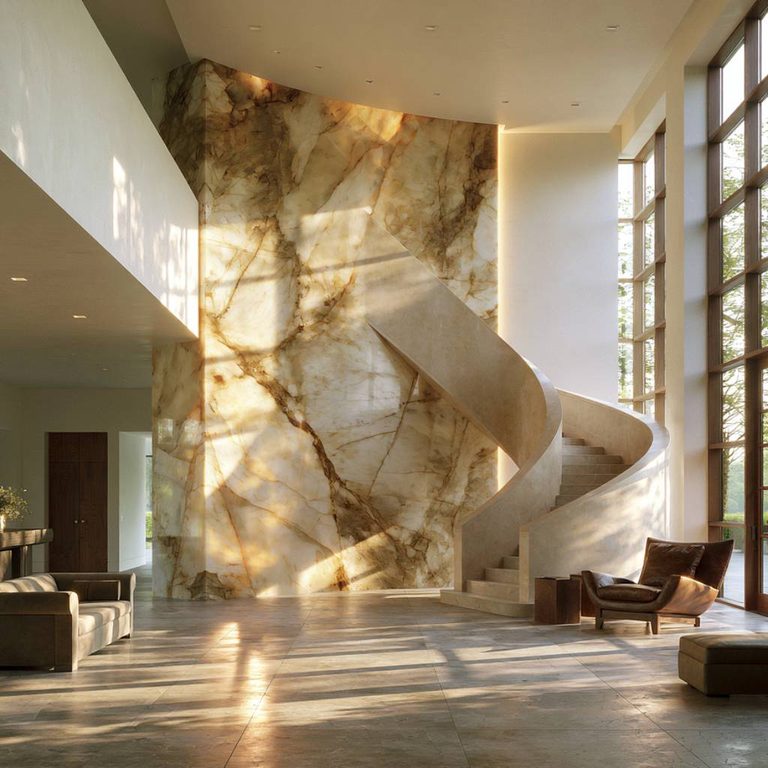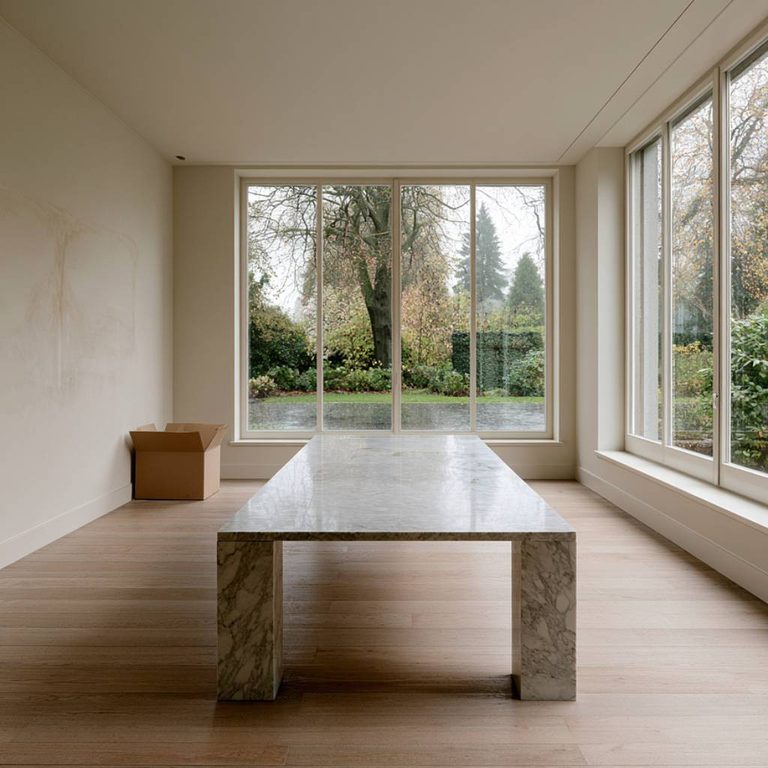
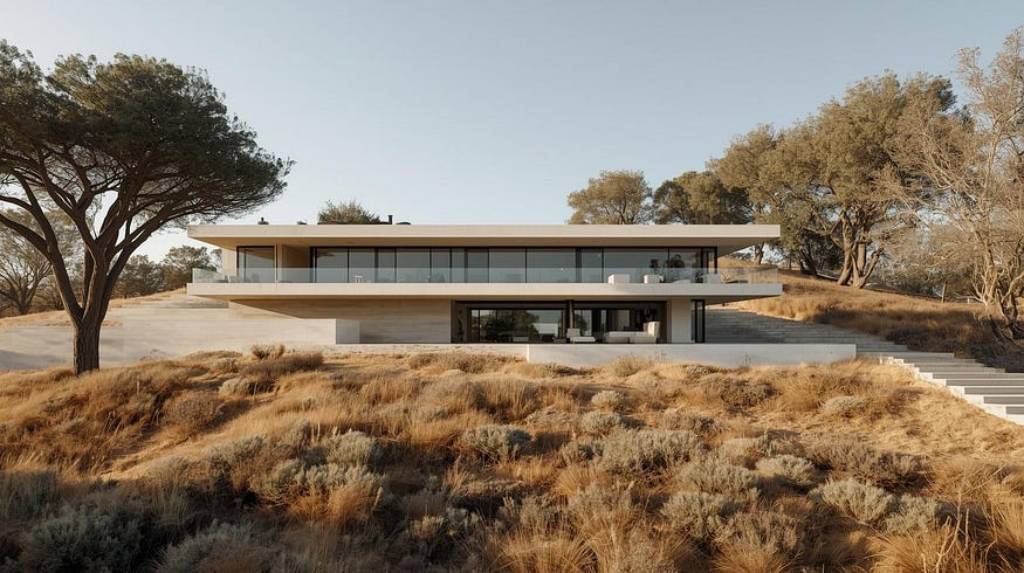
Some homes carry a feeling that is difficult to explain yet instantly recognizable. It is not created by scale, decoration, or visible luxury. Instead, it emerges from a quiet sense of endurance, as though the house is designed not only for the present moment, but for time itself. Standing within such spaces, one feels less like an owner and more like a temporary participant in something that will continue long after individual lives have moved on.
This perception of permanence rarely comes from grandeur alone. Large houses can still feel fragile, while modest spaces can feel timeless. What creates endurance is a deeper alignment between material, memory, and meaning. When stone ages gracefully, when wood carries the marks of years without losing warmth, and when design avoids trends in favour of calm proportion, a home begins to step outside ordinary time. It no longer belongs only to the present generation.
Memory plays an equally powerful role in this sense of longevity. Homes that host repeated rituals, quiet conversations, celebrations, and moments of stillness begin to accumulate emotional weight. Over the years, these layered experiences have created an atmosphere that cannot be replicated quickly. Even when rooms are empty, the space feels inhabited by what has happened within it. This continuity gives the impression that the home is not merely surviving time, but absorbing it.
There is also humility inside truly lasting homes. They do not attempt to impress every visitor or display wealth loudly. Instead, they remain steady, allowing life to unfold naturally. Their beauty is discovered slowly, through light that returns each morning in the same gentle way, through materials that soften rather than deteriorate, and through proportions that continue to feel calm regardless of changing taste. Such homes feel less constructed and more settled, as though they have always belonged to the land beneath them.
Living in a space that feels enduring subtly changes one’s relationship with ownership. Attention shifts from possession to stewardship. The question is no longer how the home reflects status today, but how it will remain meaningful tomorrow. Care becomes quieter and more intentional. Decisions begin to consider memory, legacy, and continuity rather than immediate display. In this way, the house encourages a longer view of life itself.
This awareness introduces a different understanding of luxury. True luxury is not measured by rarity alone, but by the ability to remain relevant across time. Materials that age with dignity, spaces that welcome multiple generations, and design that resists becoming dated create a form of richness that money alone cannot secure. It is the luxury of permanence, the comfort of knowing that something meaningful will continue even in one’s absence.
Eventually, every life moves beyond the walls it once inhabited. Yet certain homes remain steady, holding traces of voices, gestures, and moments that shaped them. New lives enter, but the earlier presence does not disappear completely. Instead, it becomes part of the quiet foundation of the place. This continuity is what allows a house to feel larger than any single lifetime.
Homes that seem destined to outlive us remind us of a gentle truth. We do not build them only to belong to us. We build them to carry forward memory, material, and meaning into a future we may never see. In doing so, they offer something rare, an assurance that while individual lives are temporary, the spaces shaped with care can remain, quietly holding the story long after we are gone.
And in that quiet endurance, a home becomes more than shelter.
It becomes legacy made visible.